
WEIMAR CABARET
Overview
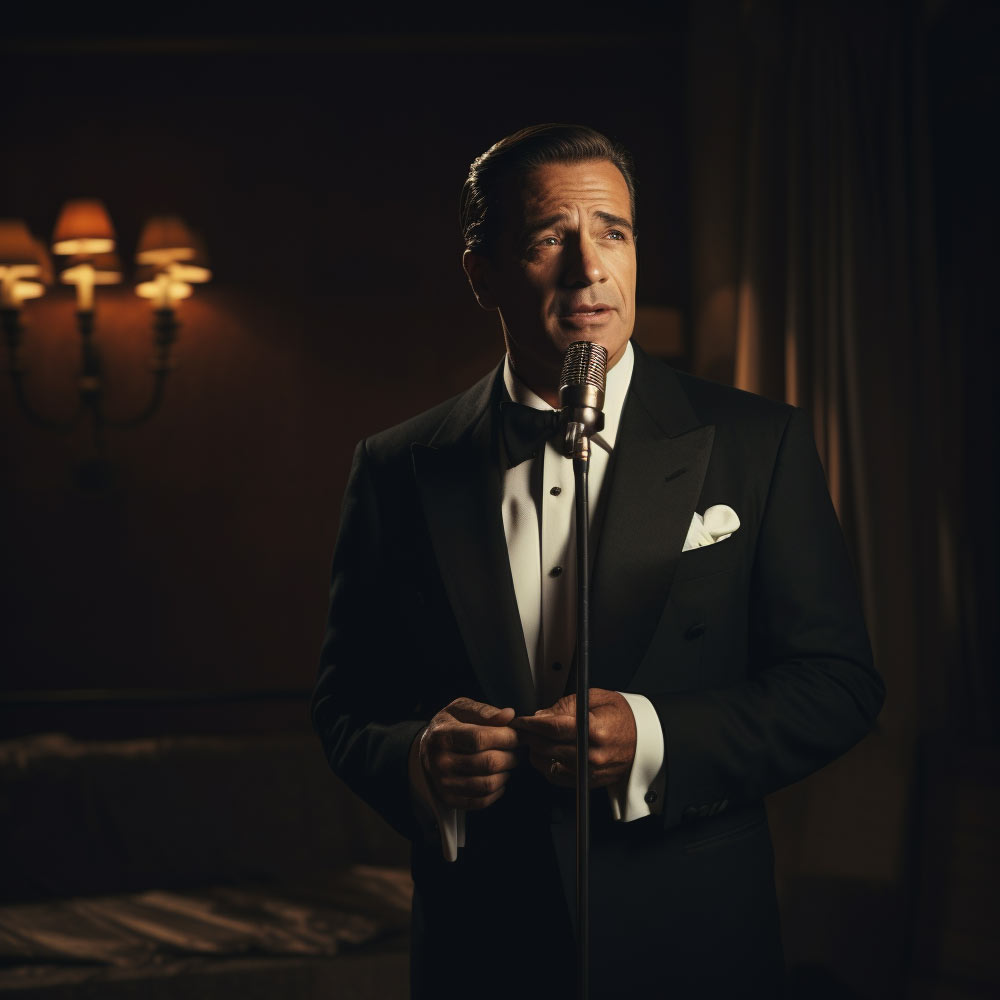
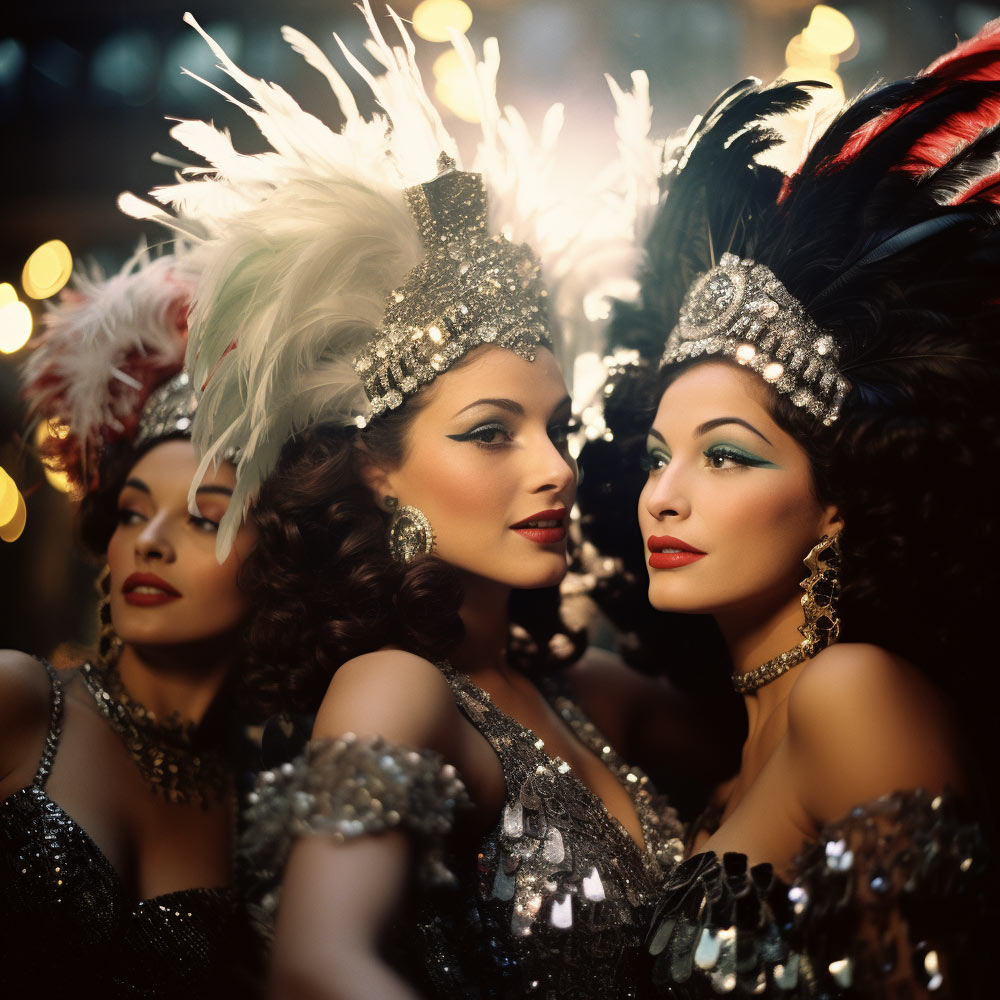
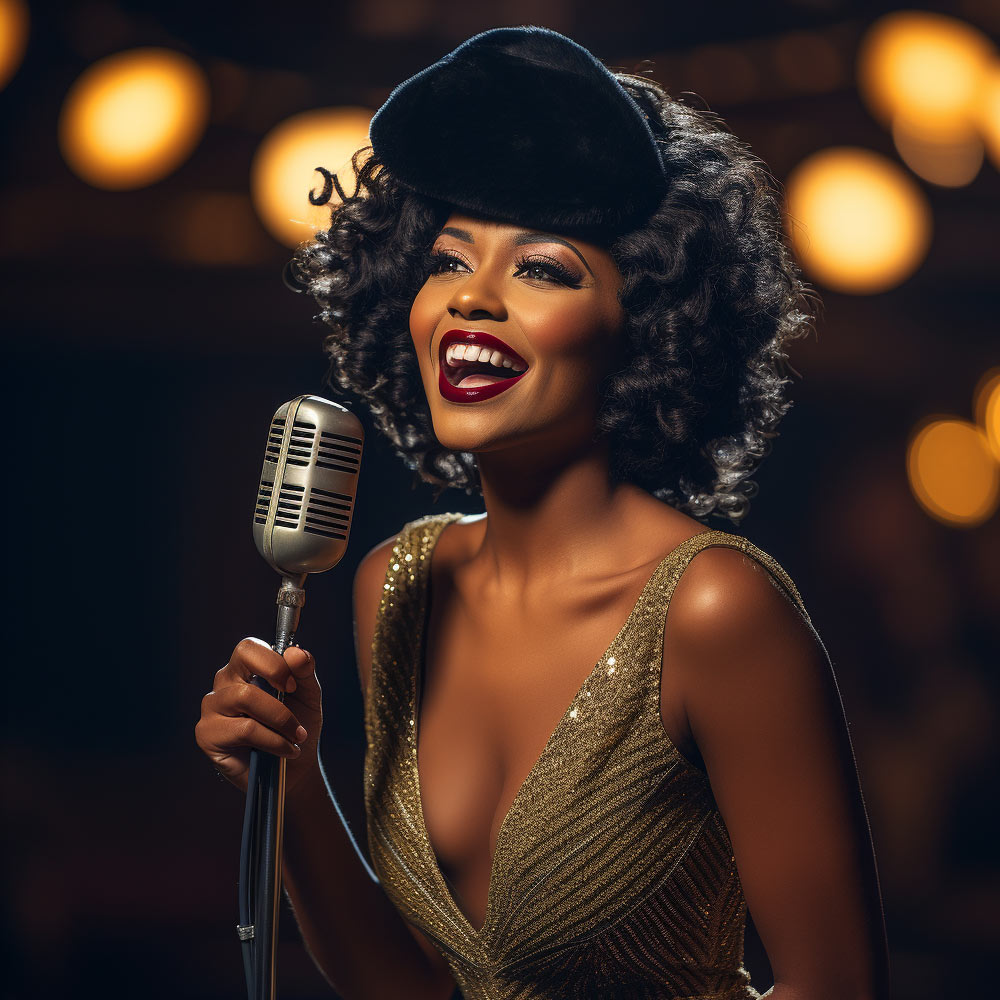
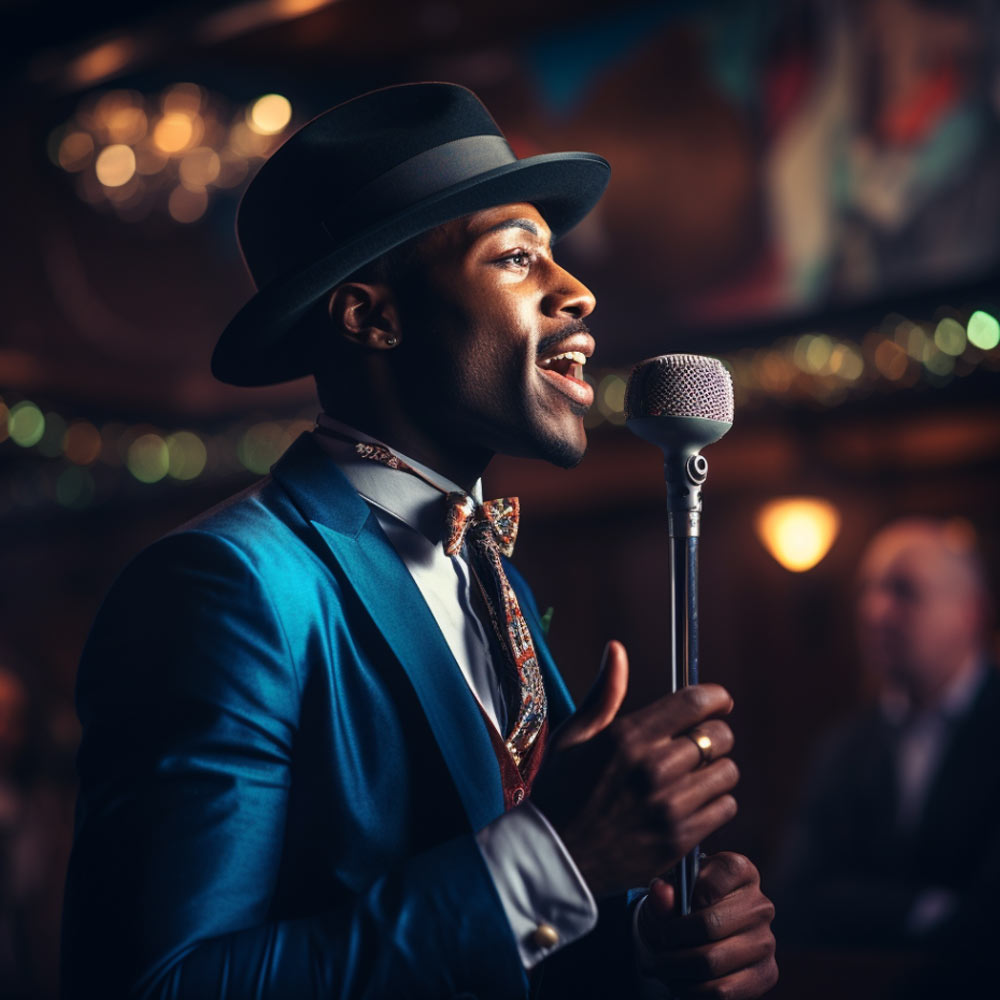
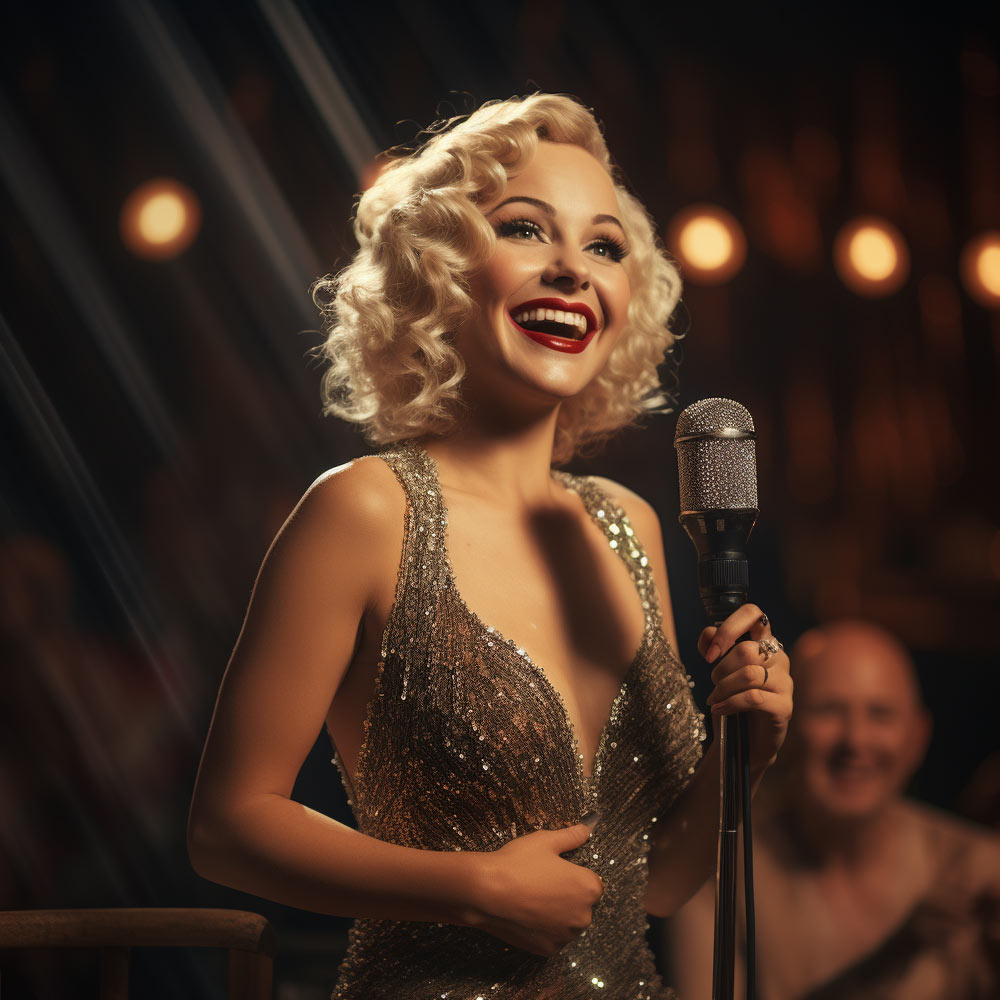
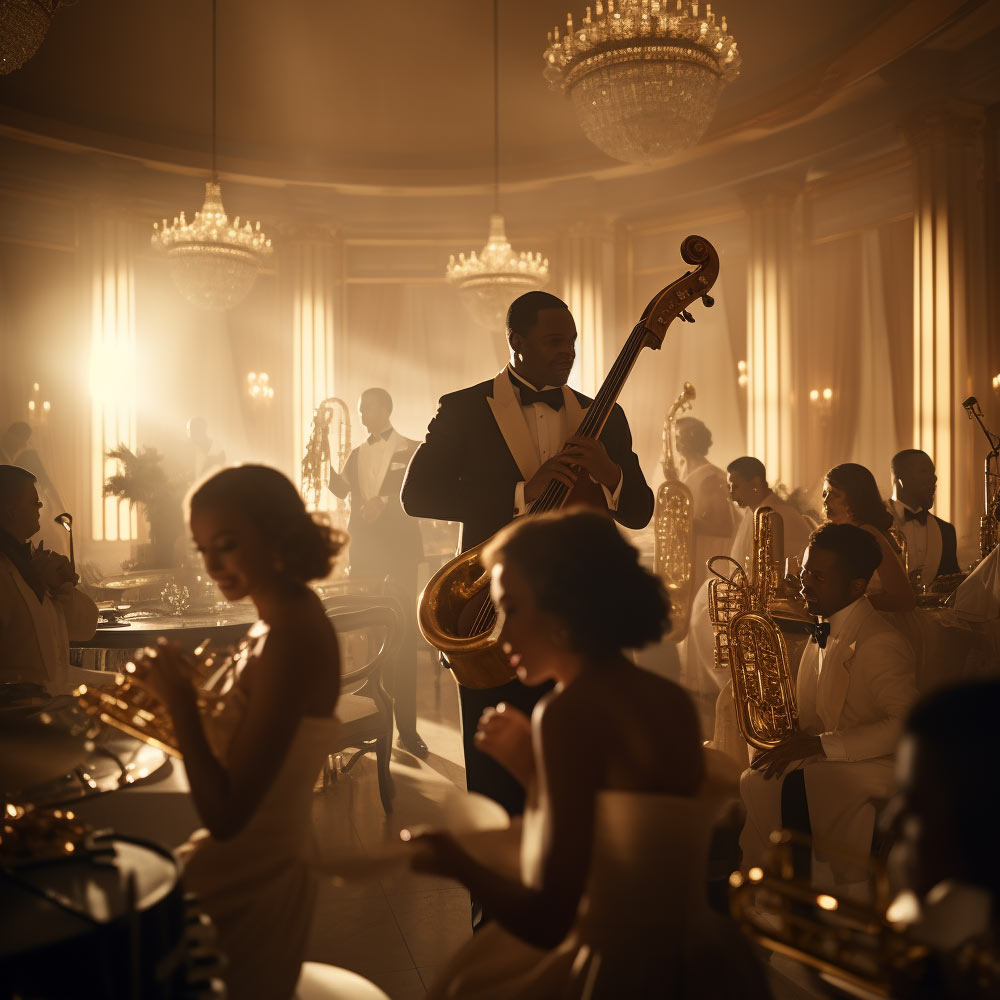
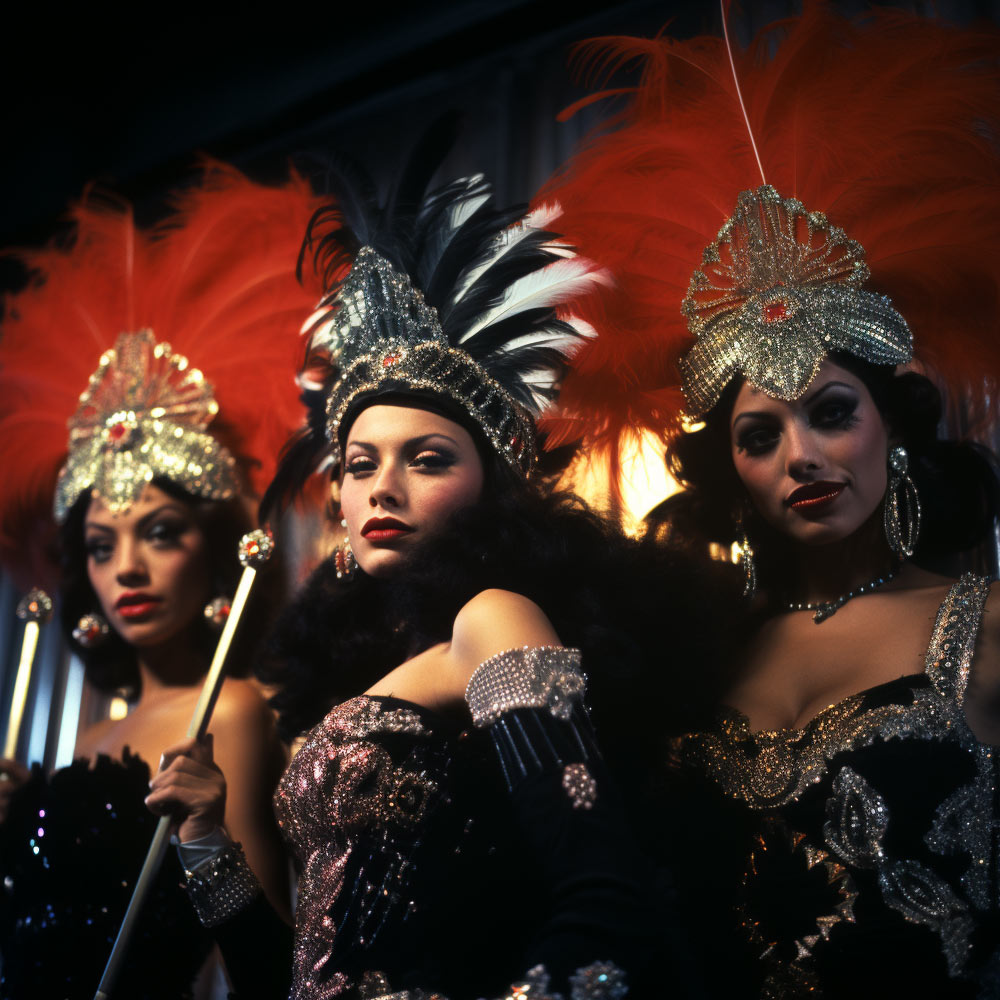
The Weimar cabaret of the 1920s was a vibrant and revolutionary form of entertainment that flourished in Germany during the tumultuous interwar period. An artistic response to the social and political upheaval that followed World War I and the subsequent Weimar Republic, these cabarets provided a unique platform for artists to express their discontent, satire, and criticism of the establishment, mocking the growing extremist movements, and challenging societal norms. With their provocative performances, biting humor, and daring exploration of taboo topics, Weimar cabaret became a hotbed for political dissent and intellectual exchange. Under the cloak of satire and extravagant costumes, artists aimed to expose the flaws and absurdities of the conservative elites and the rise of fascism, making it a space for both escapism and profound reflection of the era’s struggles. The aesthetic of Weimar cabaret, characterized by a blend of decadence, sensuality, and darkness, often delving into themes of sex, despair, and existential angst, made it a unique and evocative cultural phenomenon.
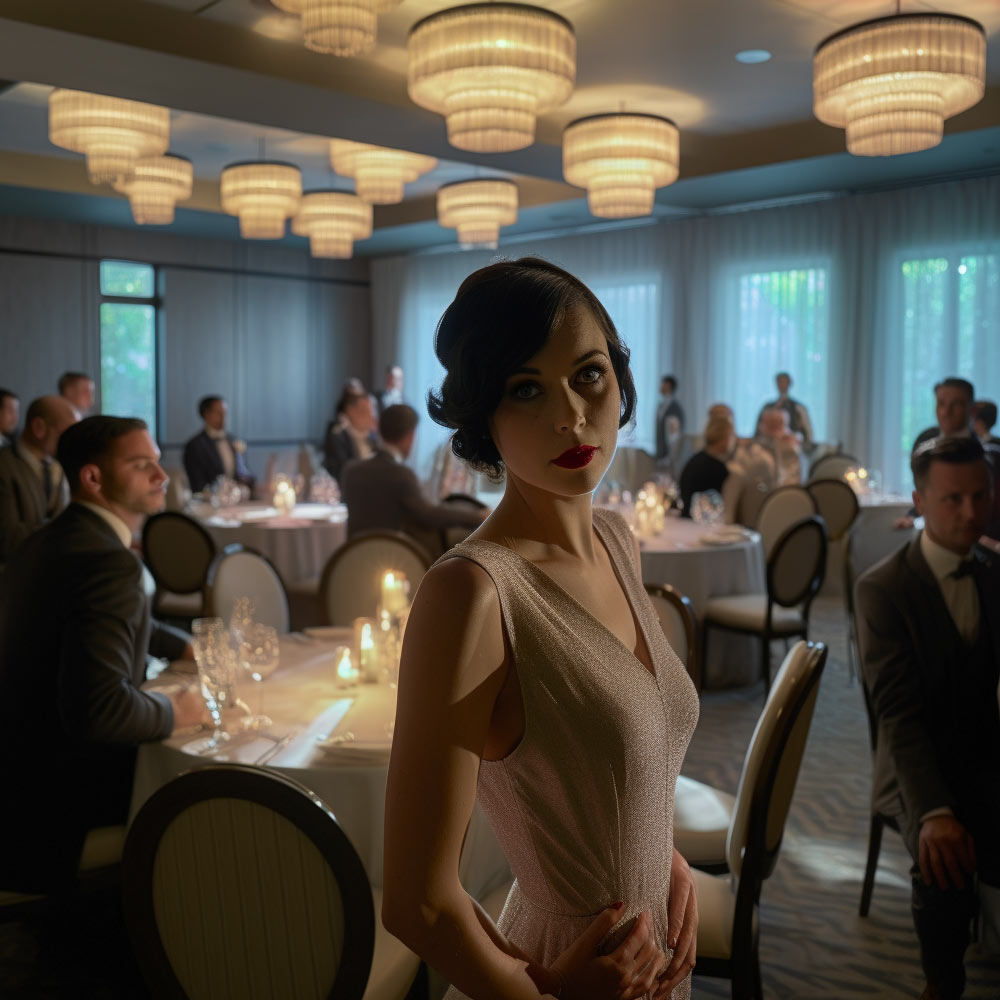
In the context of the current political and artistic climate of the 2020s, there is a poignant parallel to the challenges faced a century ago in the Weimar Republic. A modern-day version of the Weimar cabaret for the Williamstown Theatre Festival at the Williams Inn could be a timely exploration of the themes of division, polarization, and rising authoritarianism in society. By drawing inspiration from the original Weimar cabaret’s fearless approach to politics and artistic expression, this reinterpretation could serve as a mirror to our own turbulent times. The new Weimar cabaret at the Williams Inn serves not only as a nostalgic homage to the past but also as a stark reflection of our current times, where the struggle for creative expression and social progress remains as relevant as ever. This immersive, late-night production would engage the audience in a thought-provoking yet entertaining manner, encouraging reflection on the pressing challenges of our time, and ultimately reminding us that history’s lessons should not be forgotten. In this revival, just as in the 1920s, the reimagined Weimar cabaret at the Williams Inn could serve as a powerful platform for artists to confront societal norms, question authority, and foster meaningful dialogue while celebrating the timeless spirit of artistic resistance in performance.

About Margo Neely

Margo Neely is an internationally recognized polymath creator-inventor whose work pioneers new technologies, media forms, and cultural systems through practice, experimentation, and execution rather than trend-following pipelines. Working at the intersection of art, philosophy, technology, and human behavior, Neely conceives, designs, engineers, and launches original intellectual property that operates simultaneously as artwork, tool, and lived system.
Neely is best known as the inventor of the Neely Air Freestyle • Neely 33 Sound Shoe, a wearable drum-machine technology that fused music production, movement, and design into a category-defining object, achieving more than six billion in global reach organically. She is also the creator and director of Ladies Revenge Club, an award-winning television series named “Best of the Festival” and “Best Series” at New York Comic Con and New York Super Week’s Geekfest for its innovative narrative and production model.
Neely’s interdisciplinary practice spans art, writing, and invention, producing precedent-setting work studied, built upon, and activated across artistic, academic, and technological contexts, shaping models for how original ideas become durable cultural infrastructure.
renegade creatives |
revolutionary content
revolutionary content