
“Go to hell, Buster”
Failures in Understanding
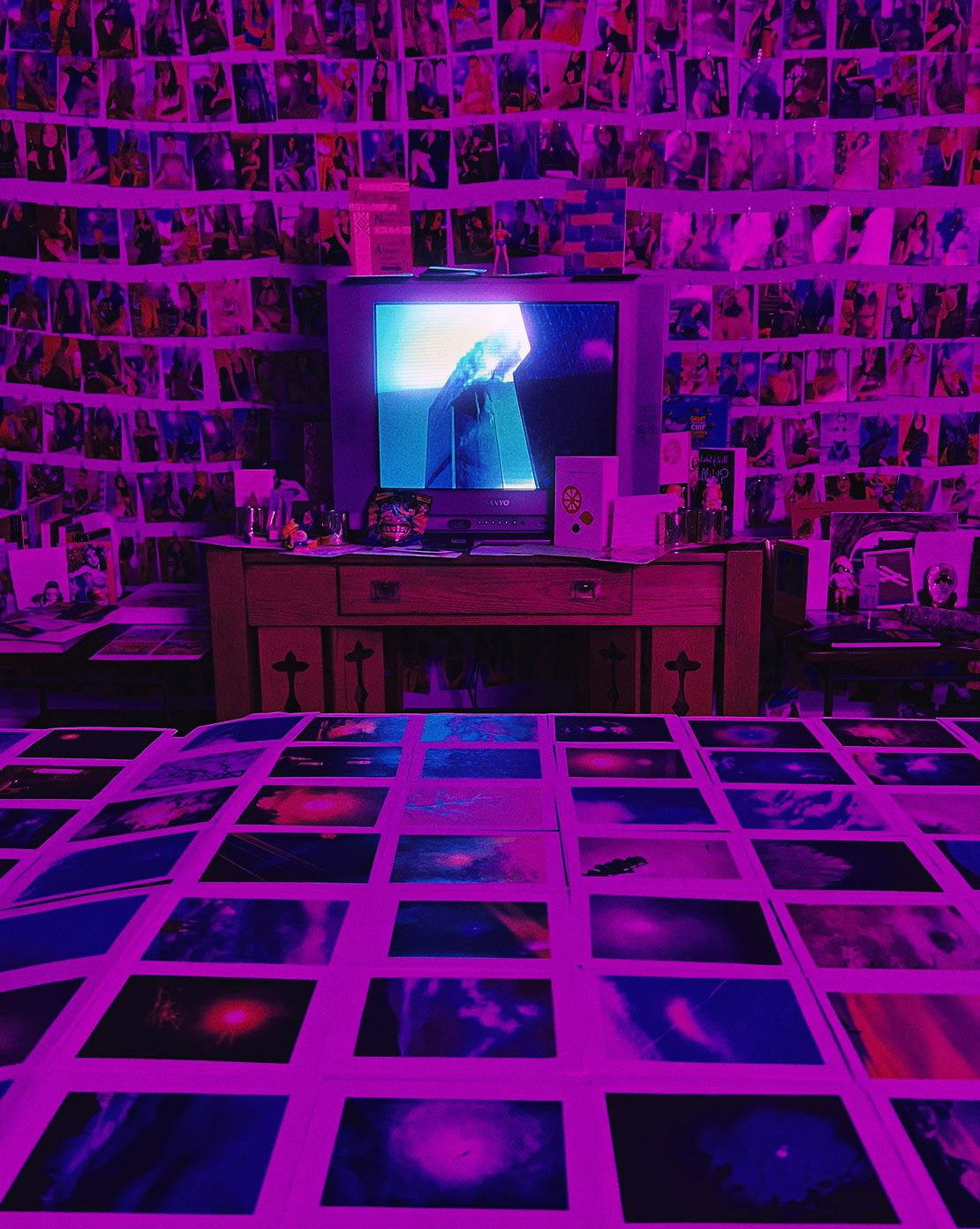
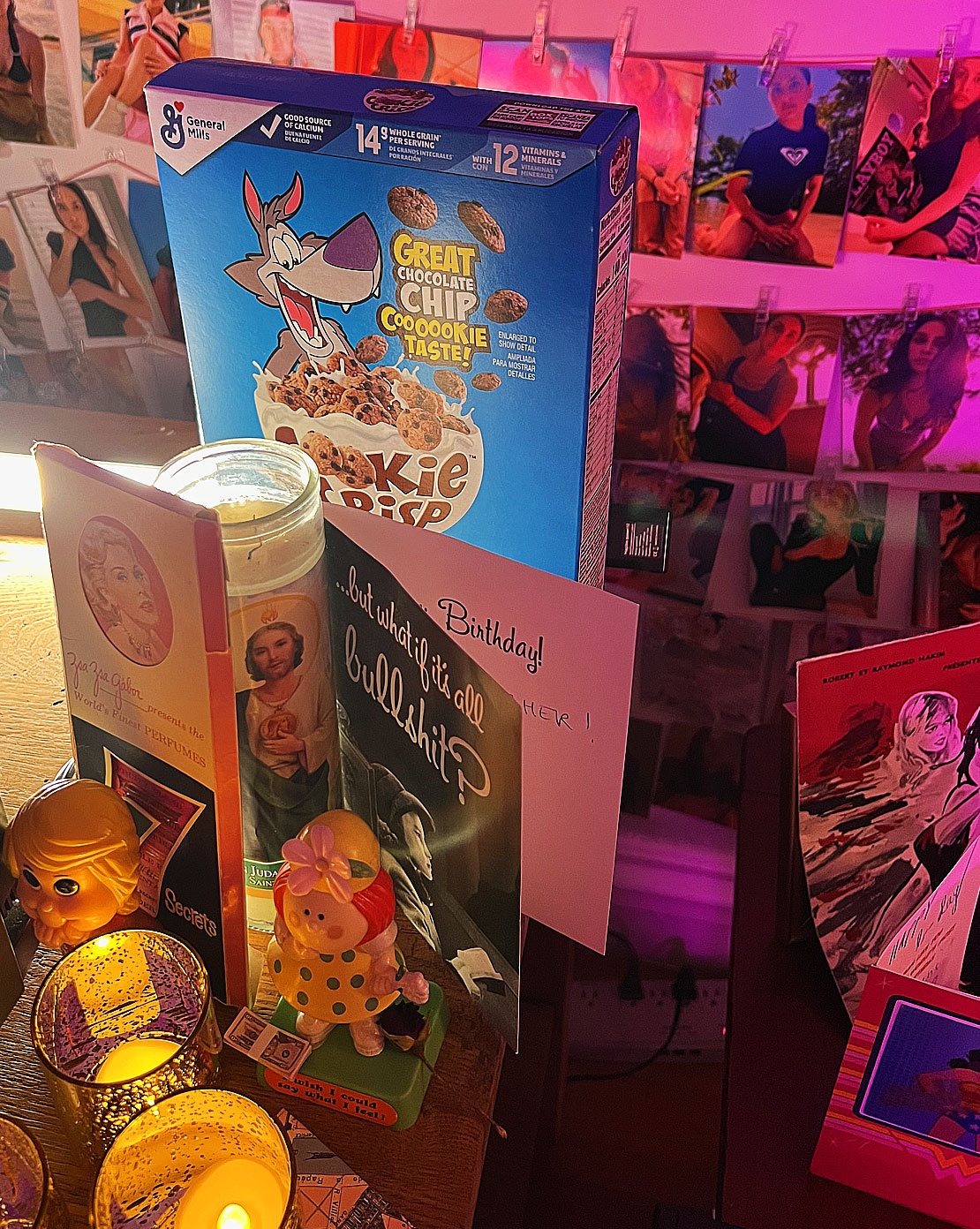
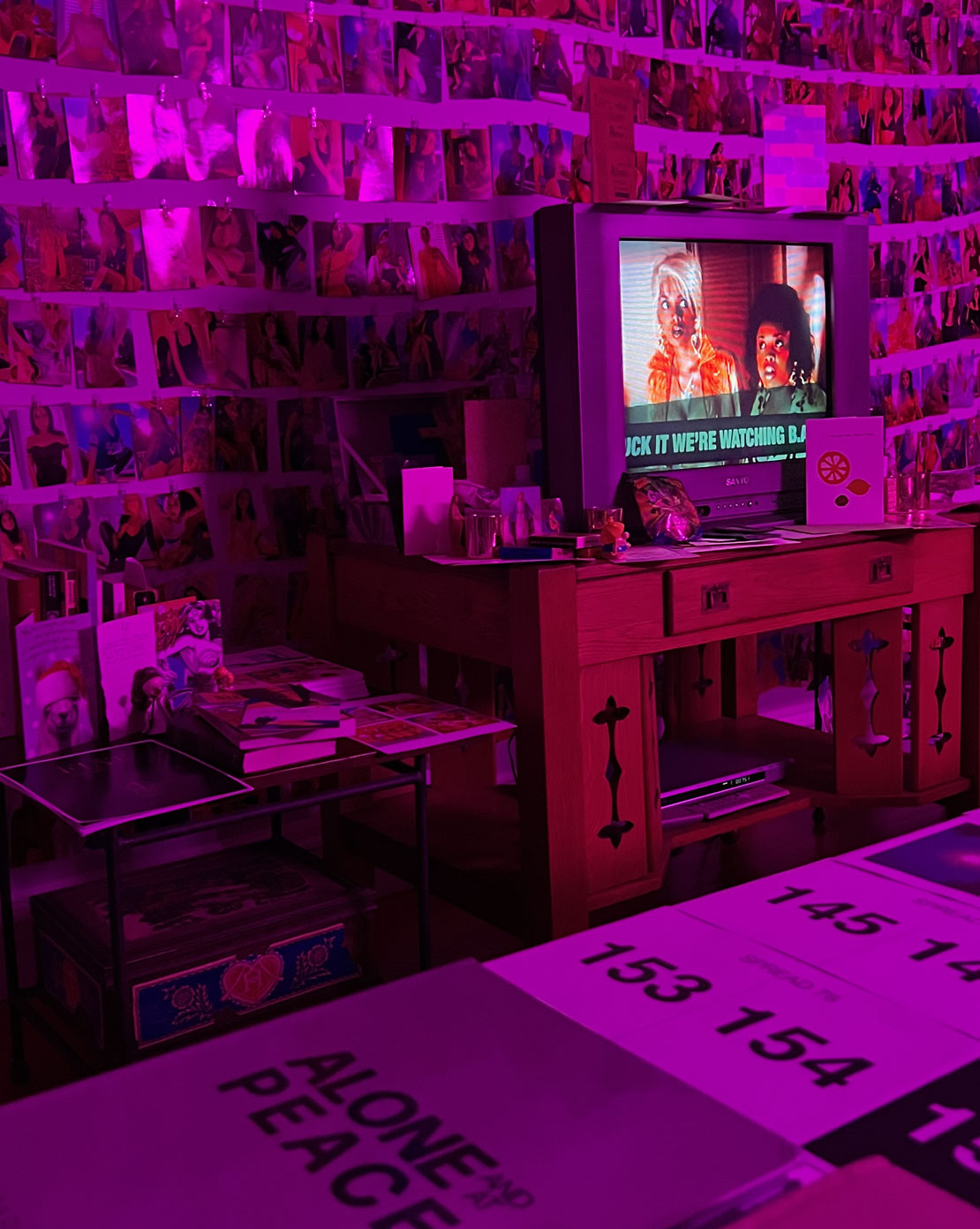
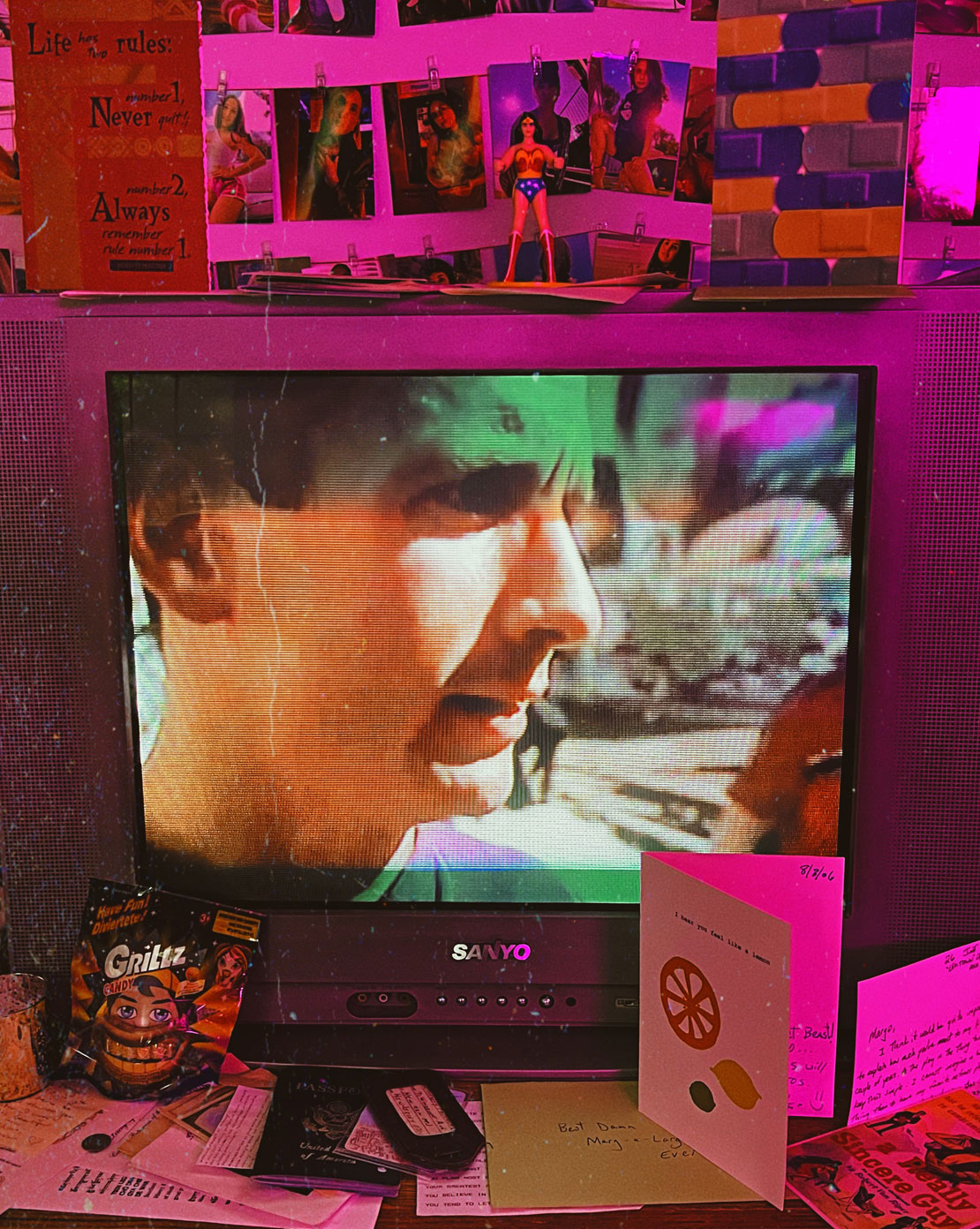
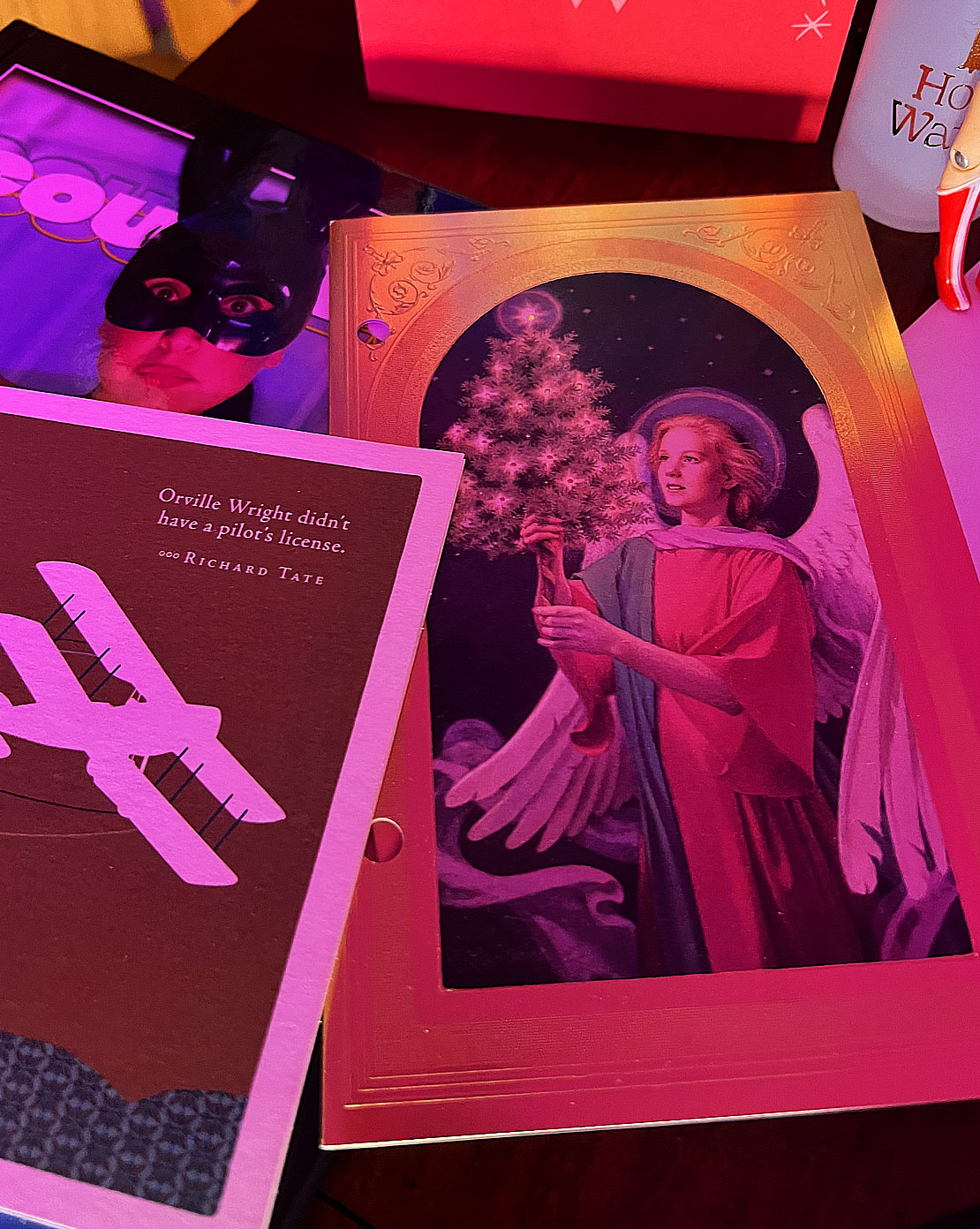
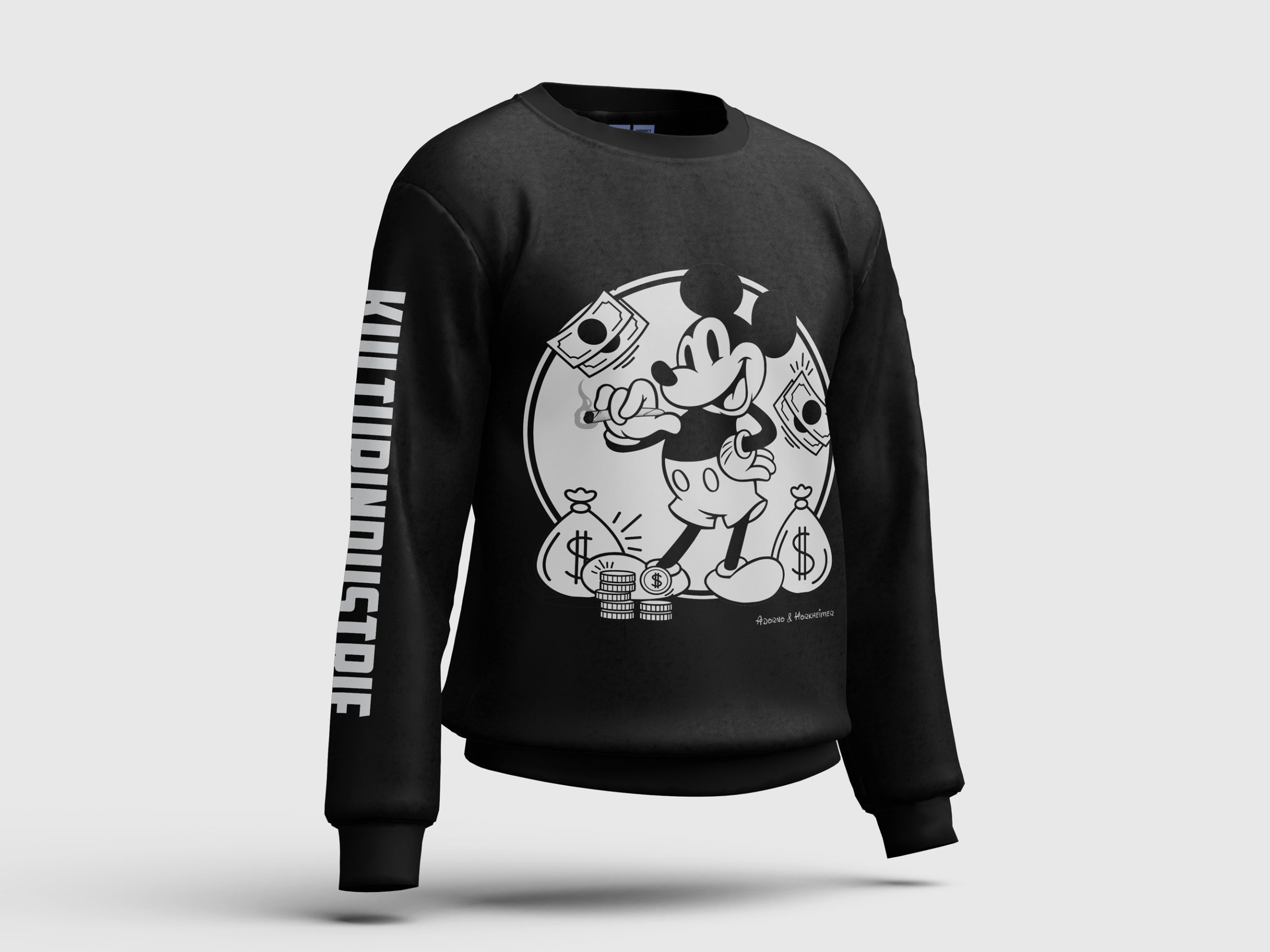
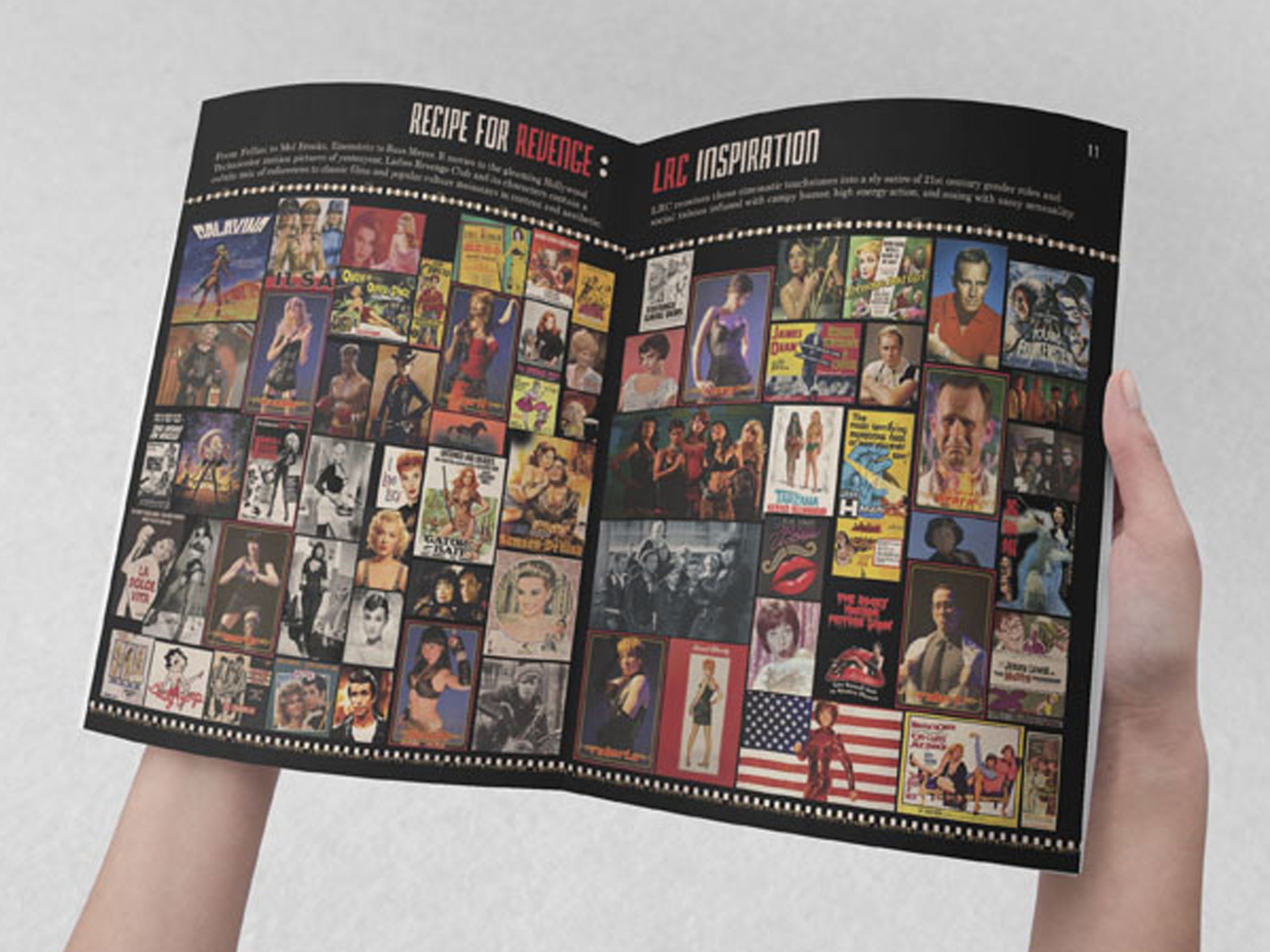
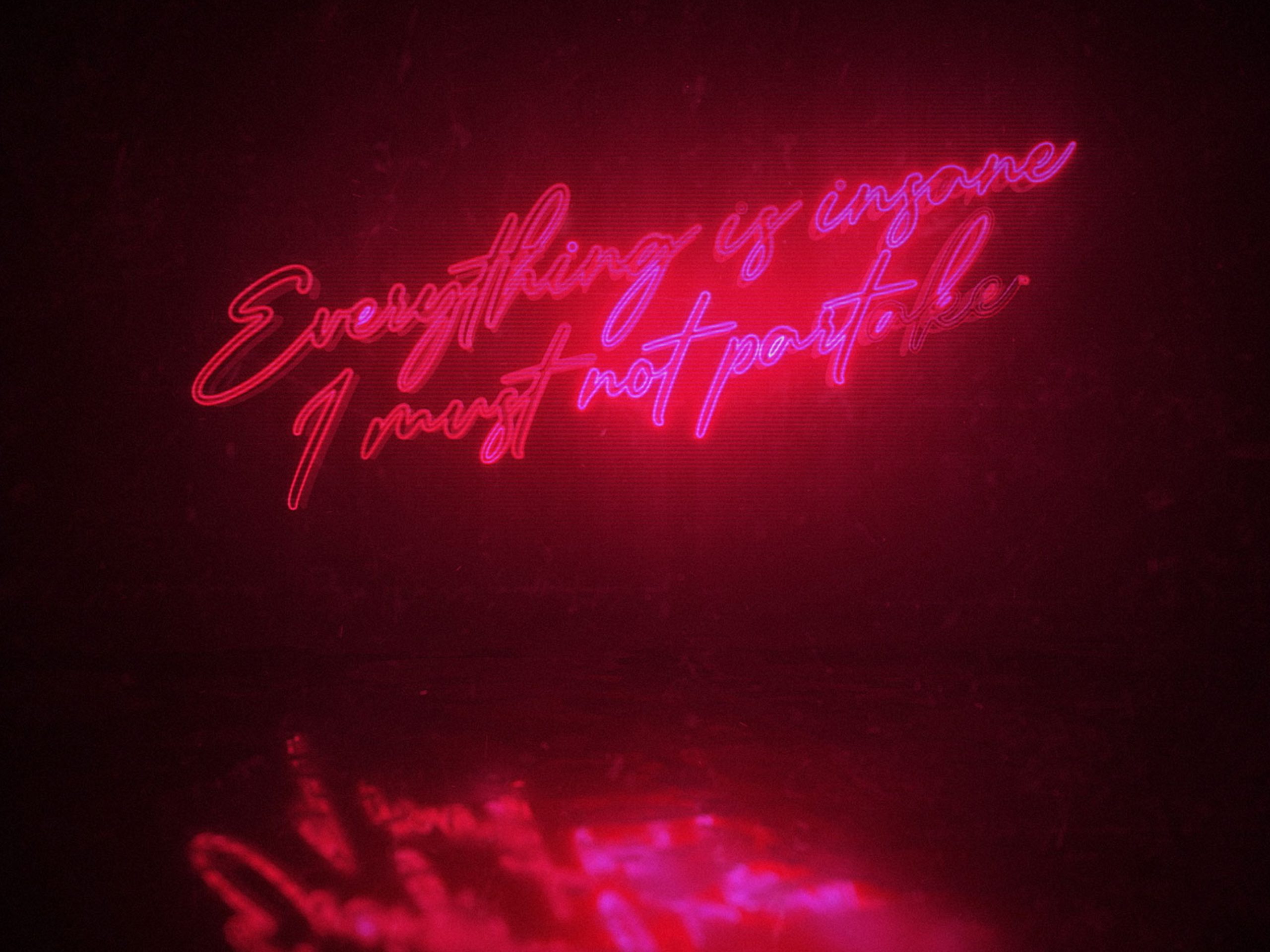
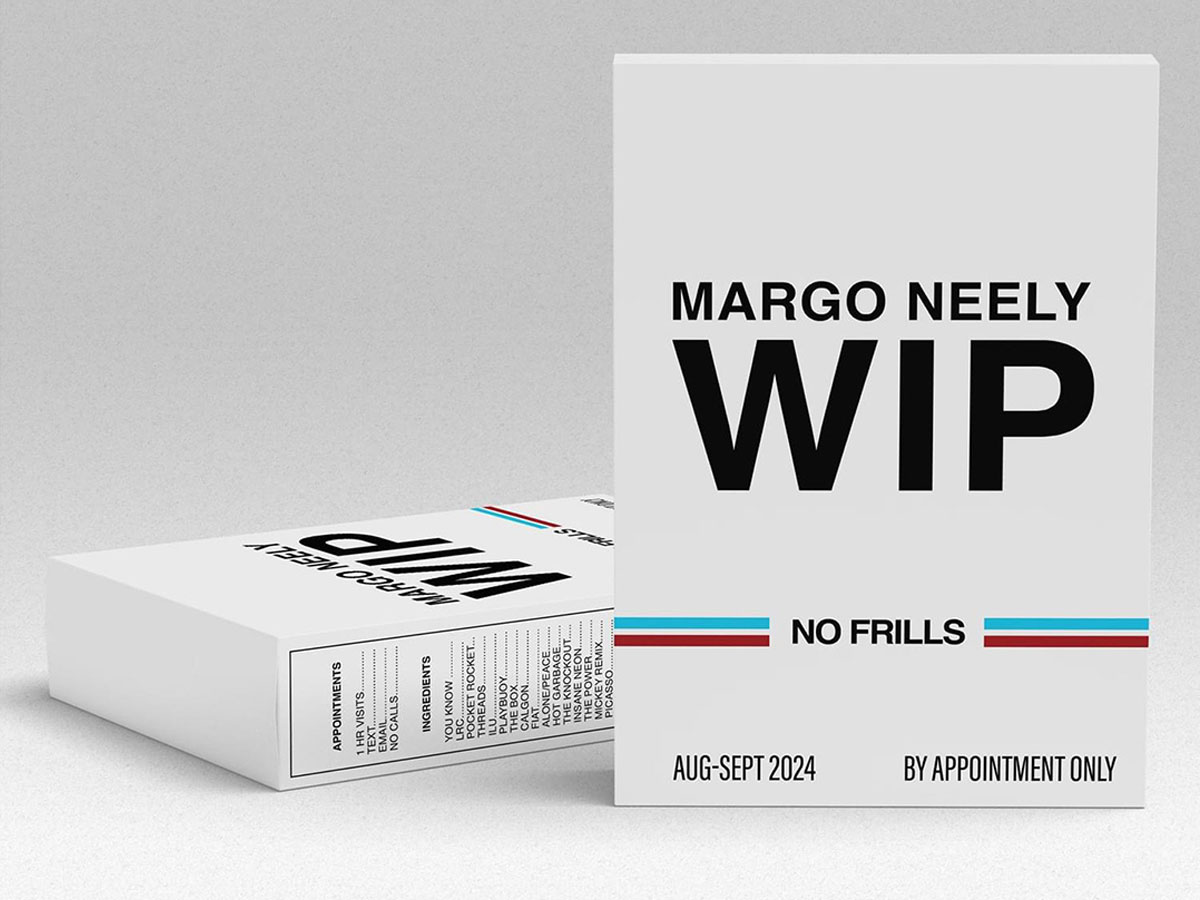
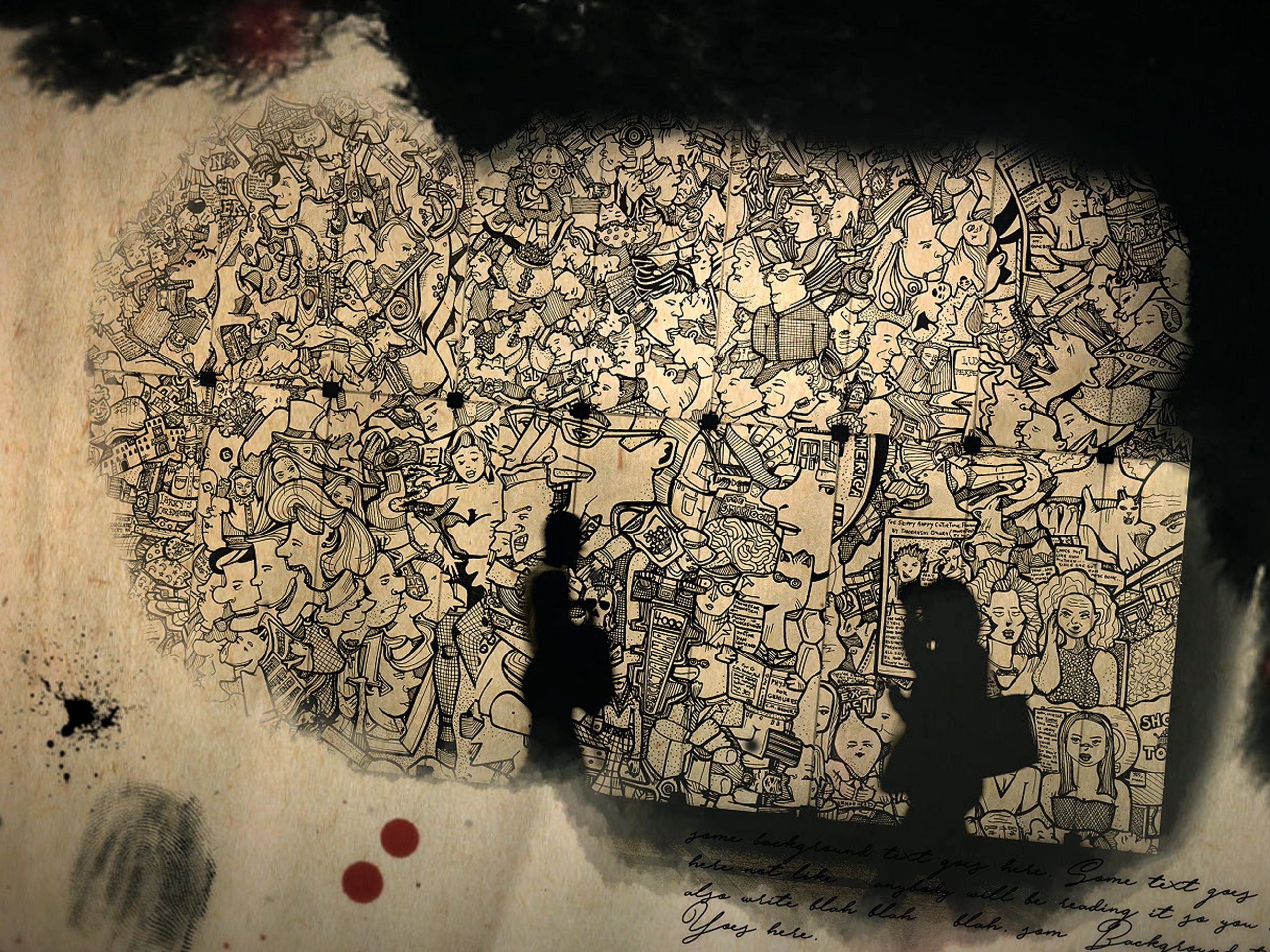
Go to Hell, Buster was an experiment in radical transparency in the physical world, and it failed. From August-October 2024, the exhibition opened my home as gallery for the entire body of work: personal archives and artifacts arranged around an old television in suggestion of my New York City apartment —framing art, writing, photography, inventions, prototypes, experiential work —decades of labor often dismissed or inaccurately assessed online as “commercial,” “marketing” or simply, “fake.” The show was conceived as a corrective to those assumptions — an invitation to the audience to encounter and interact with the work and the artist physically, emotionally, intellectually… But no social media critics, local skeptics, or detractors attended; only friends and colleagues were present for the experience. The absence of new blood was illuminating. The show made visible what had already been true: there is no new audience in this place for this work.
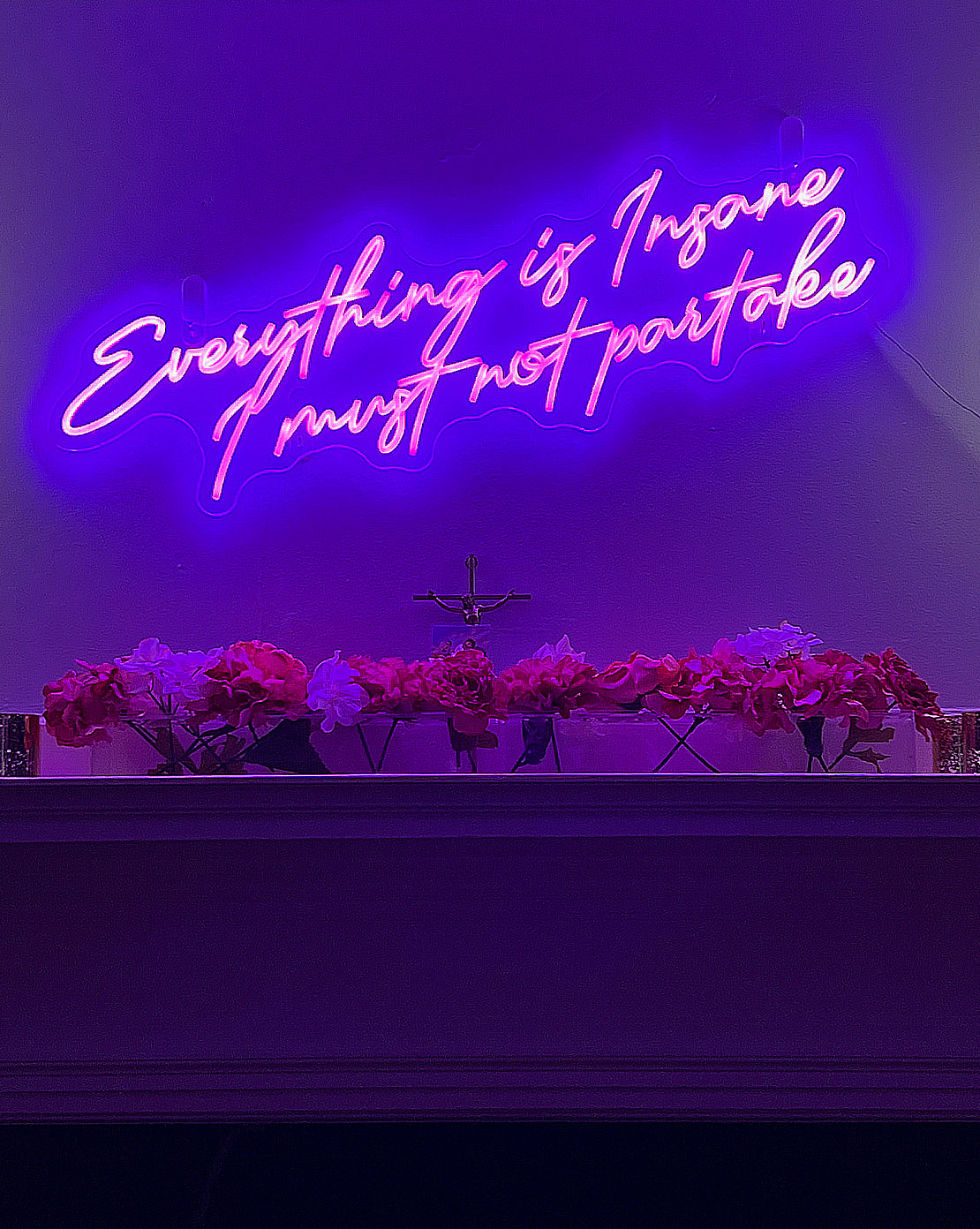
At its core, Go to Hell, Buster is about survival long before, during, and long after September 11, 2001— the lived experience of the hell of this incarnation, and the psychic violence of remaining alive in an inescapable purgatory while becoming increasingly invisible.
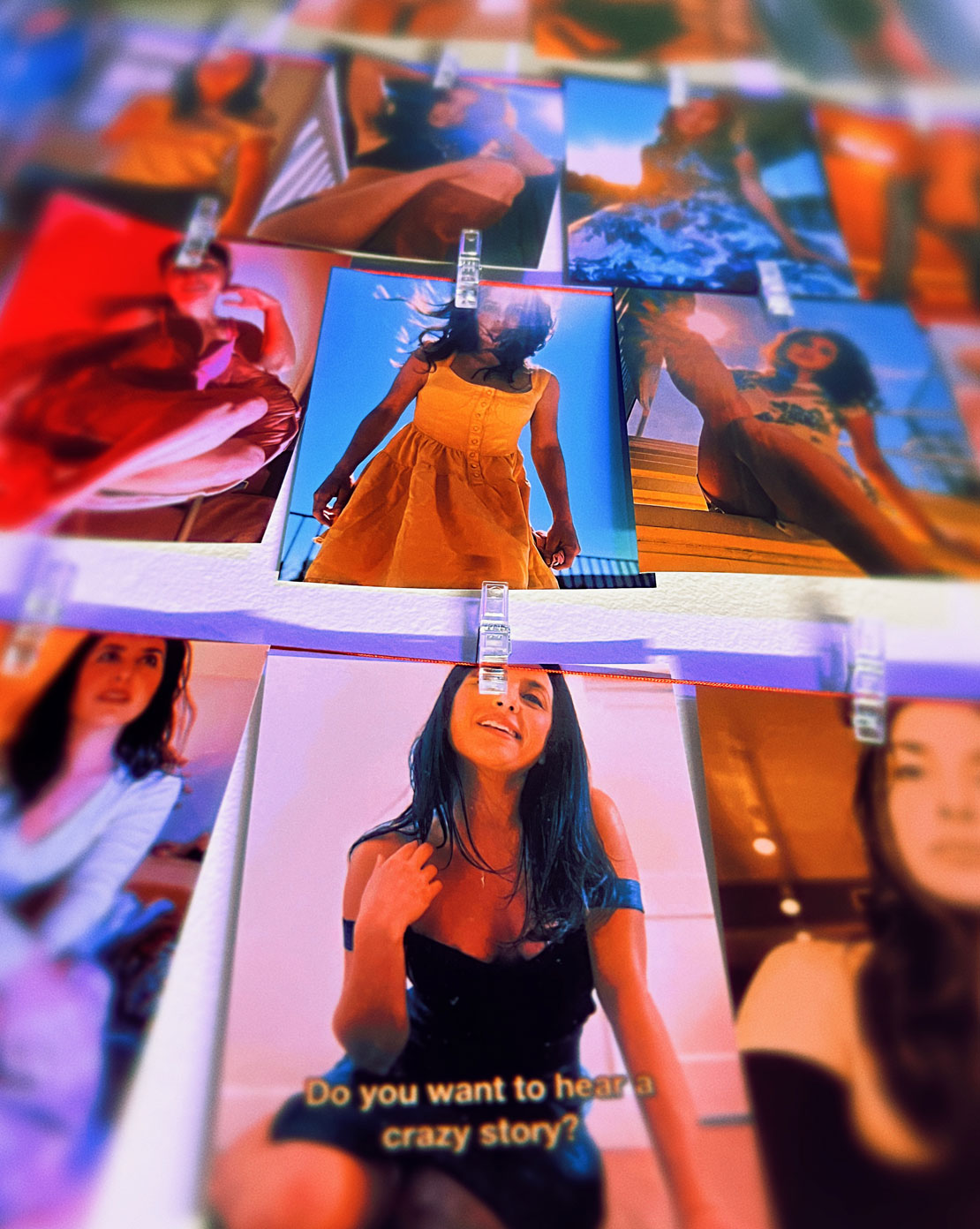
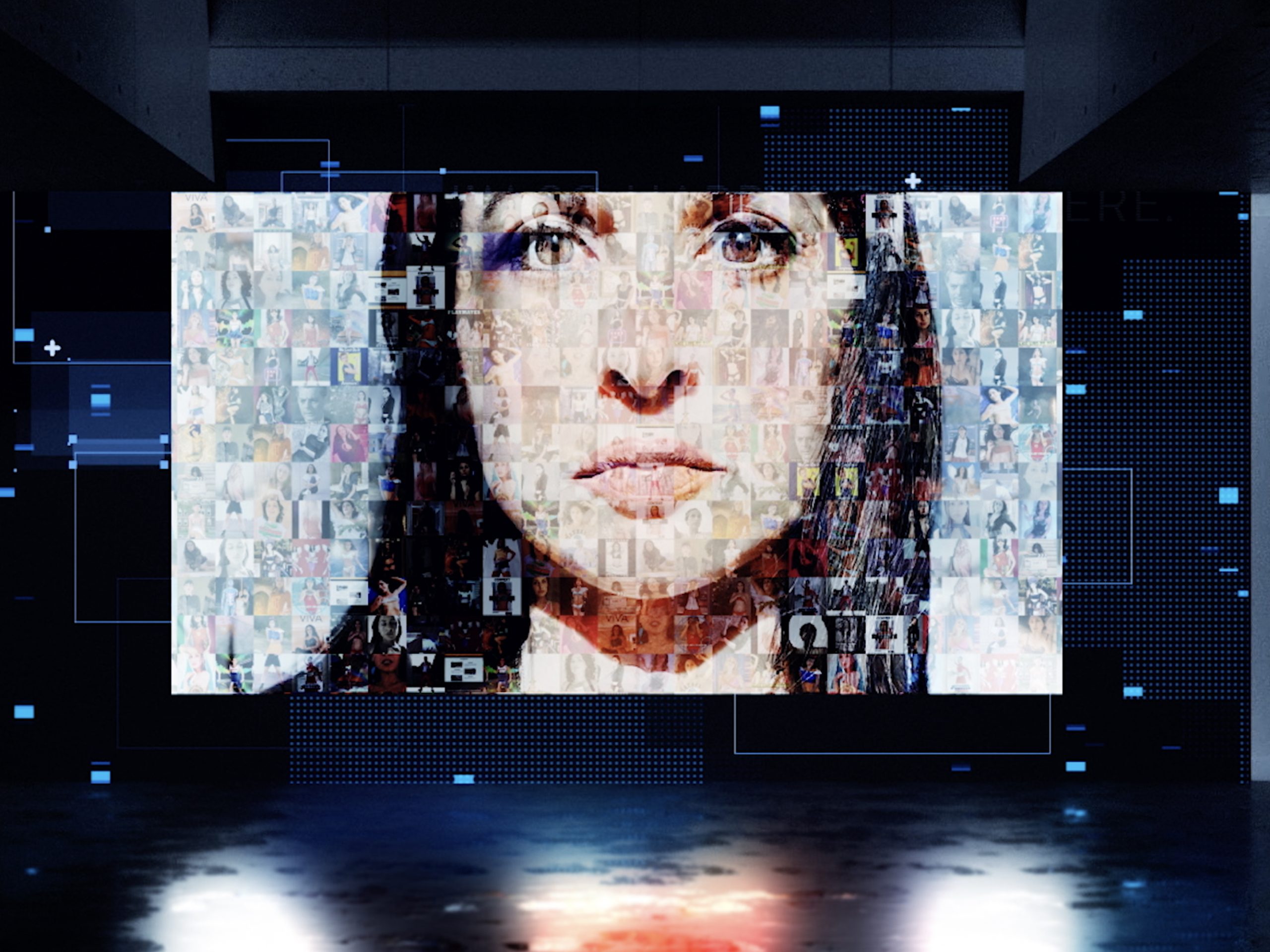
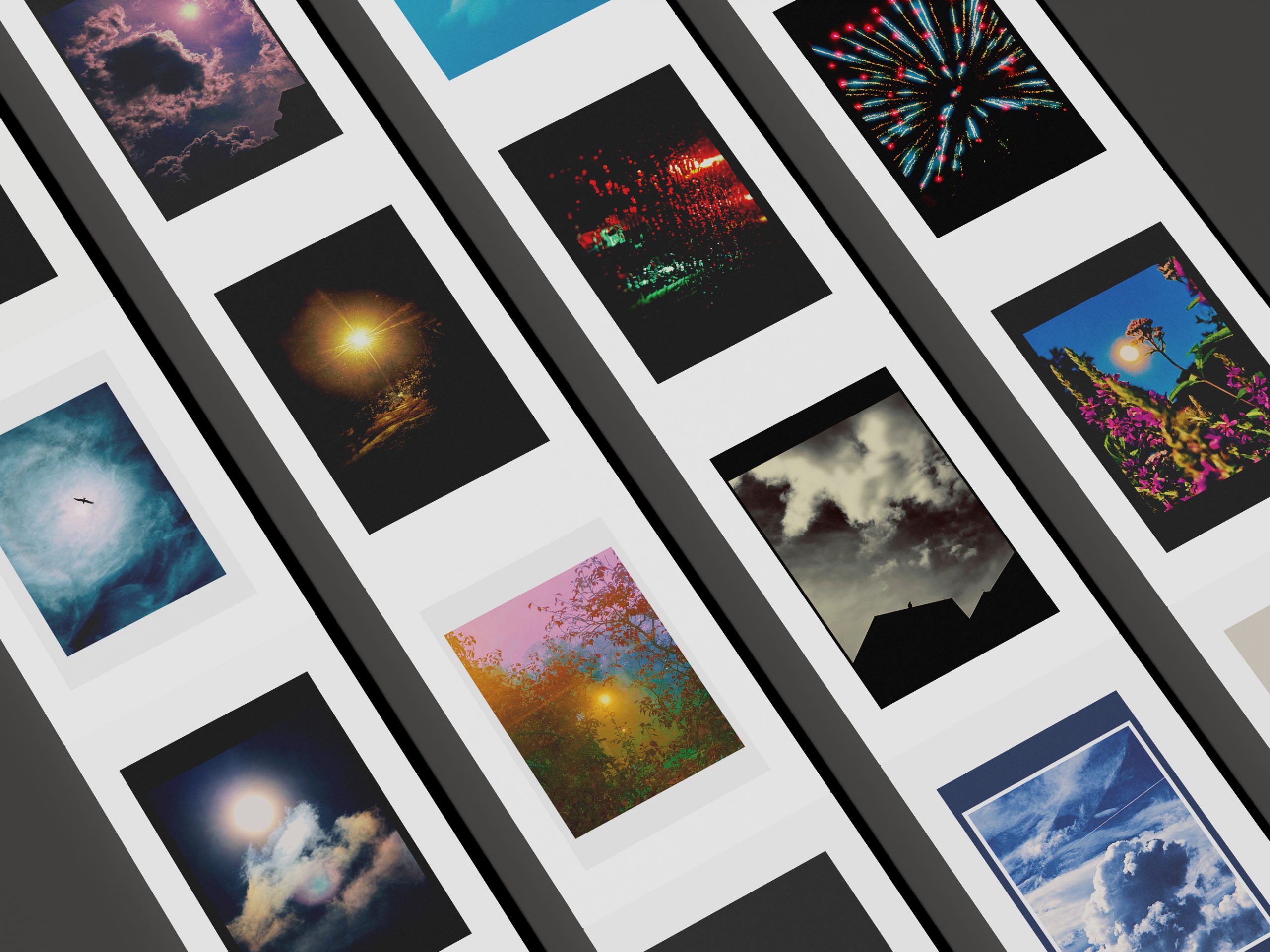
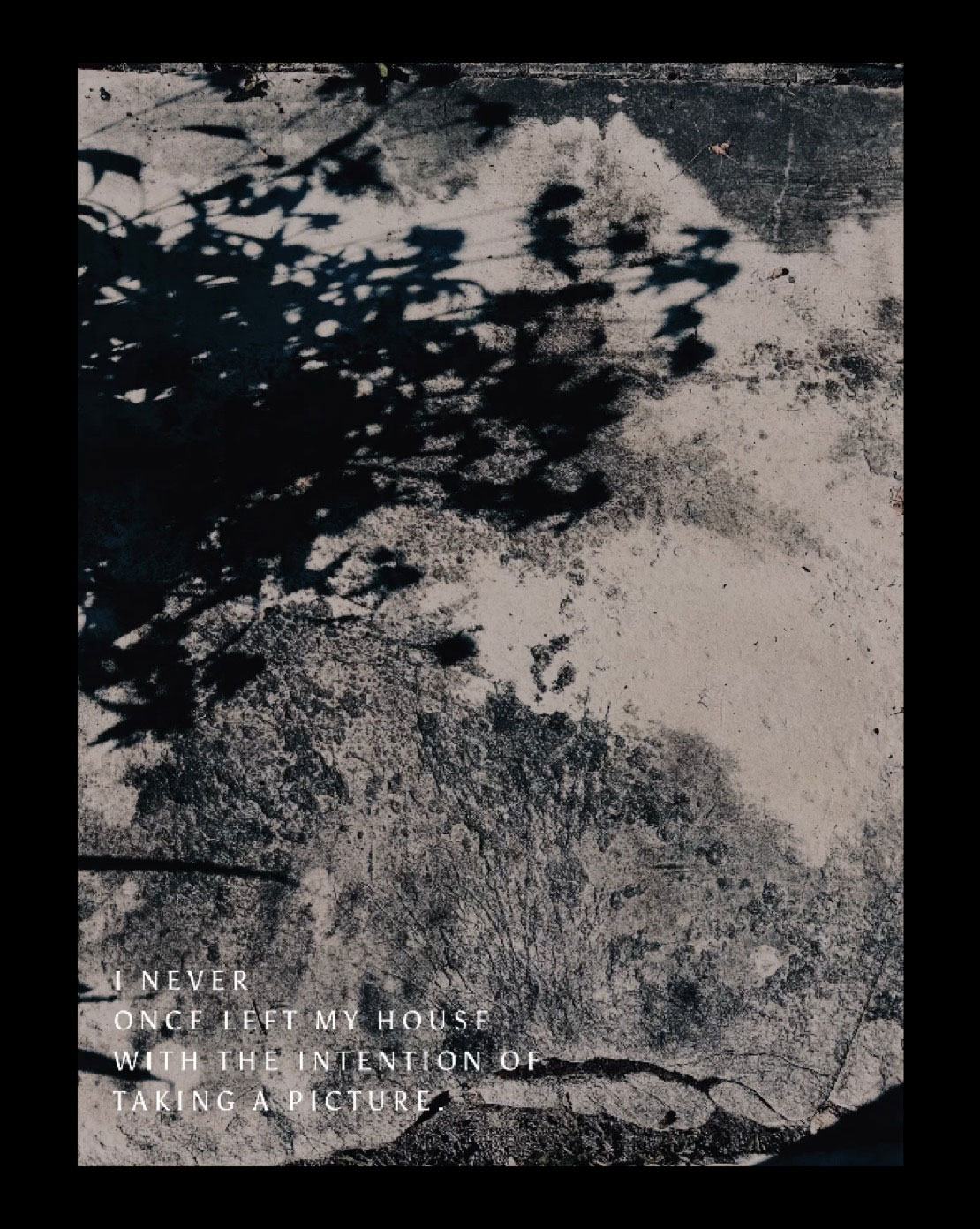
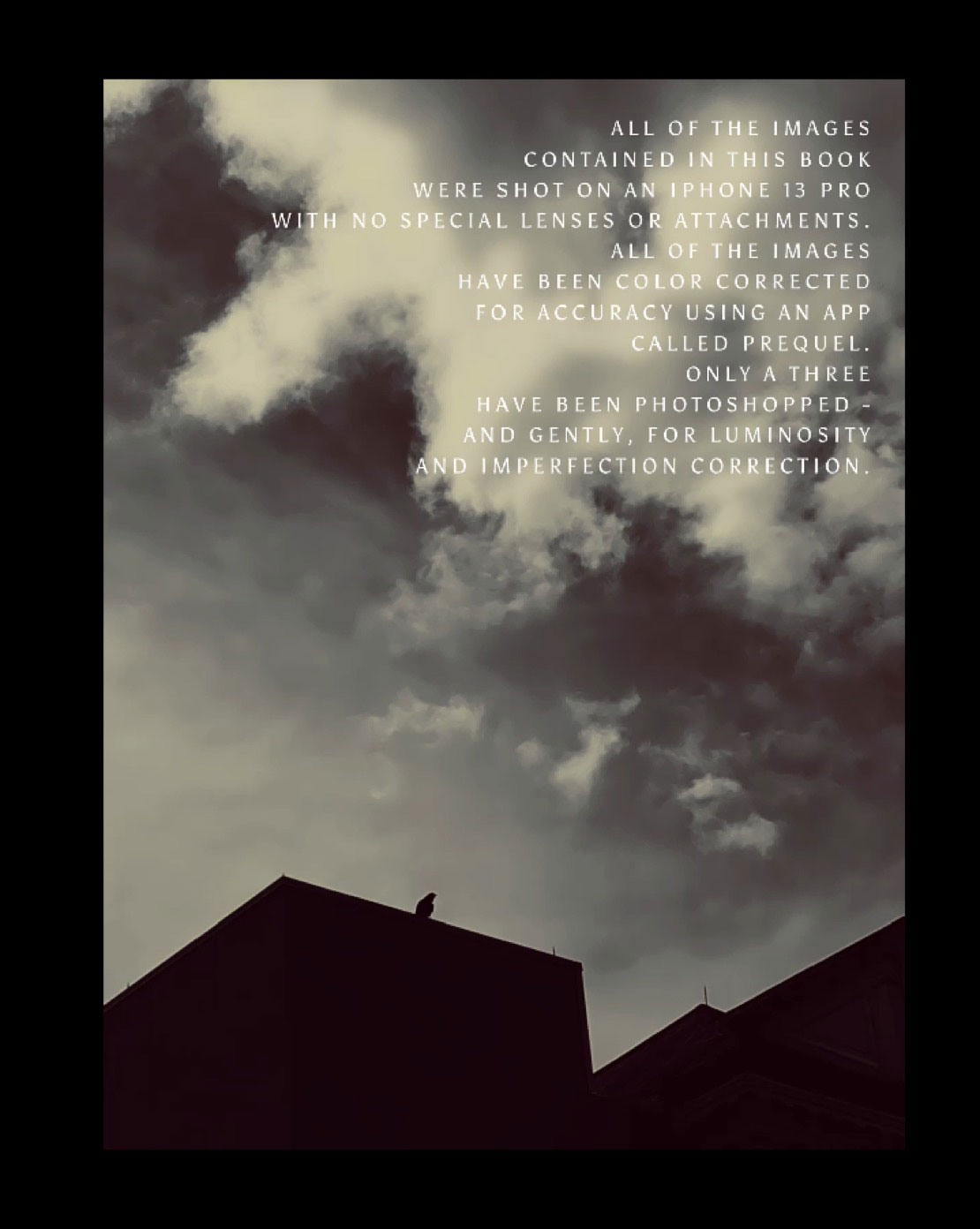
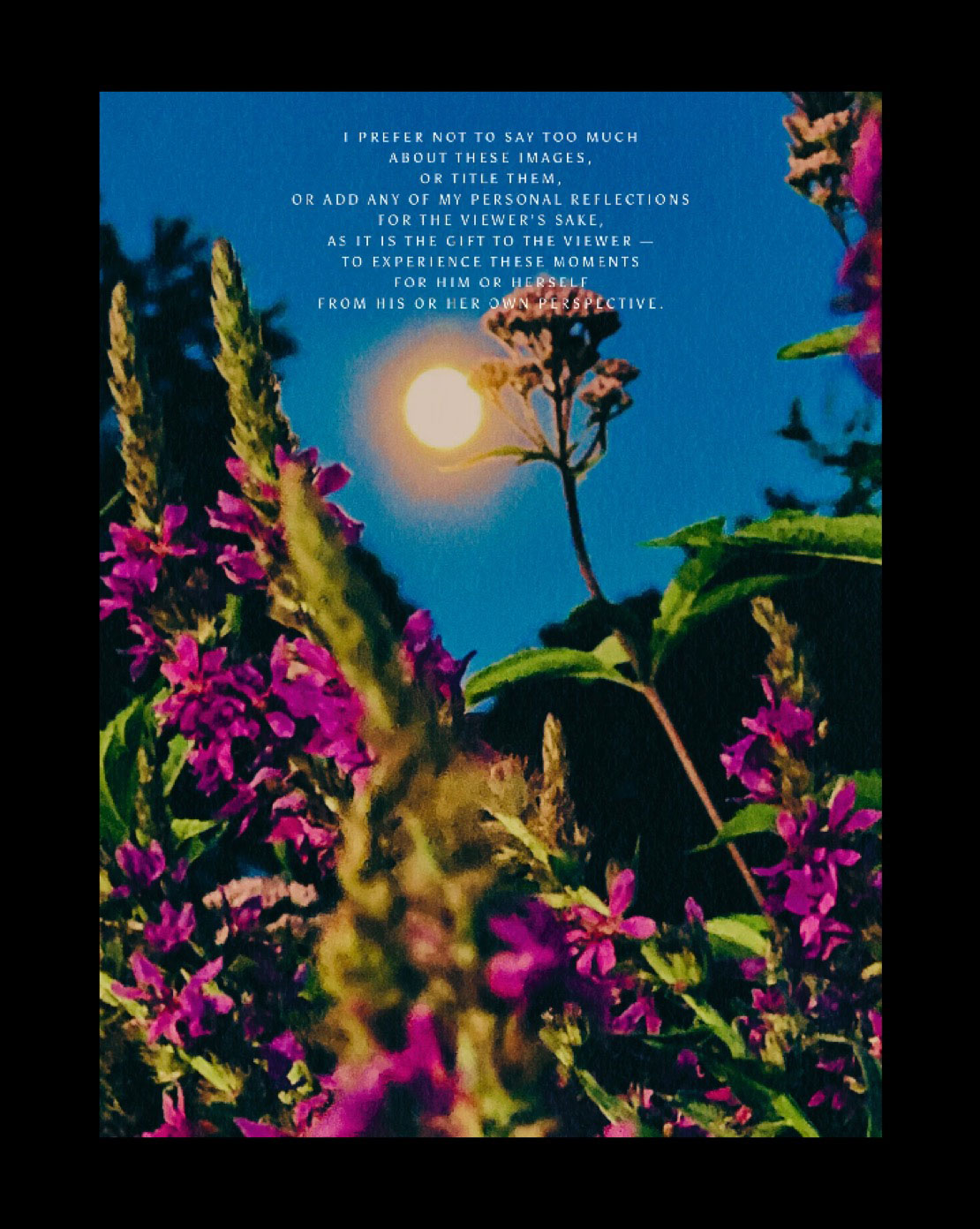
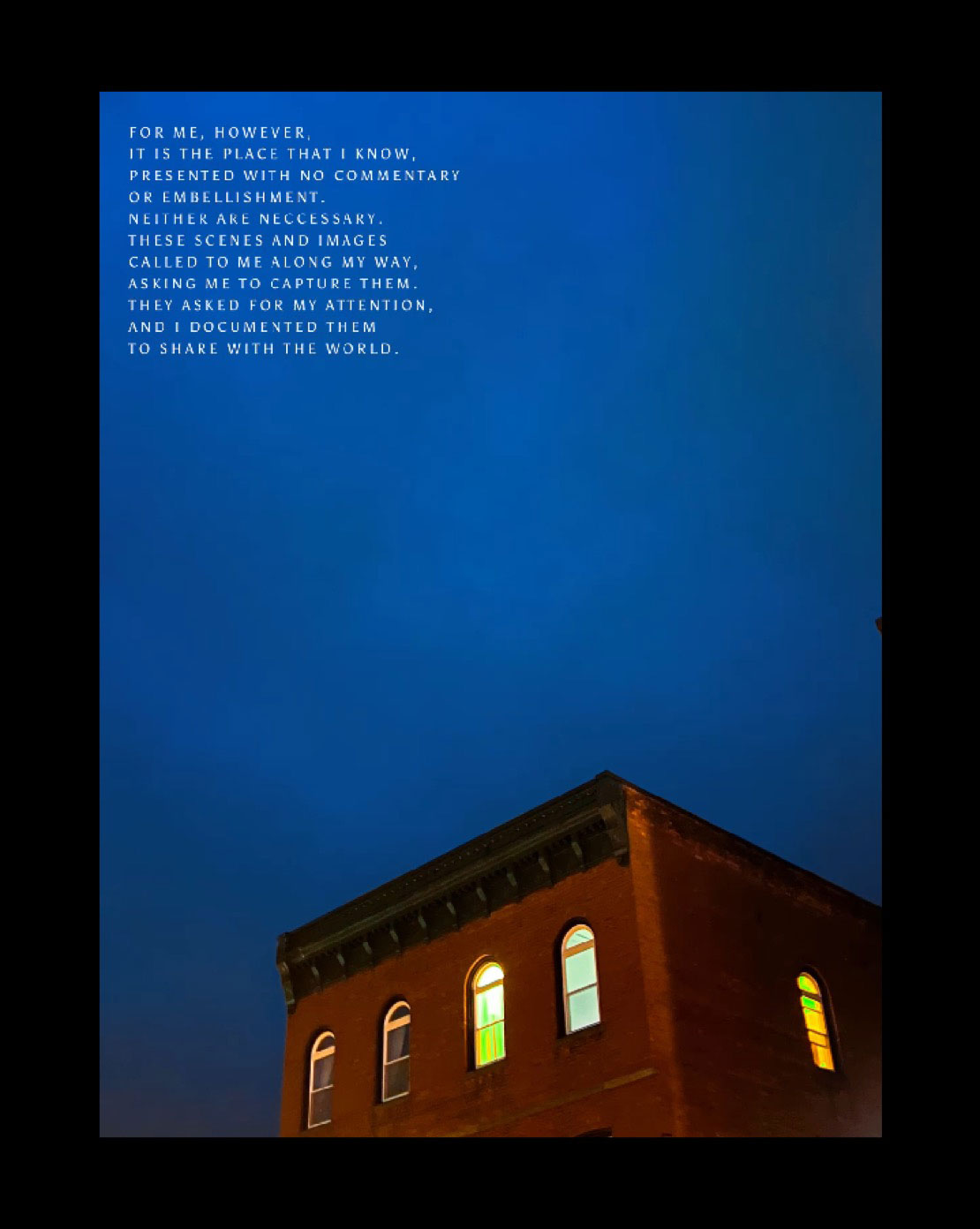
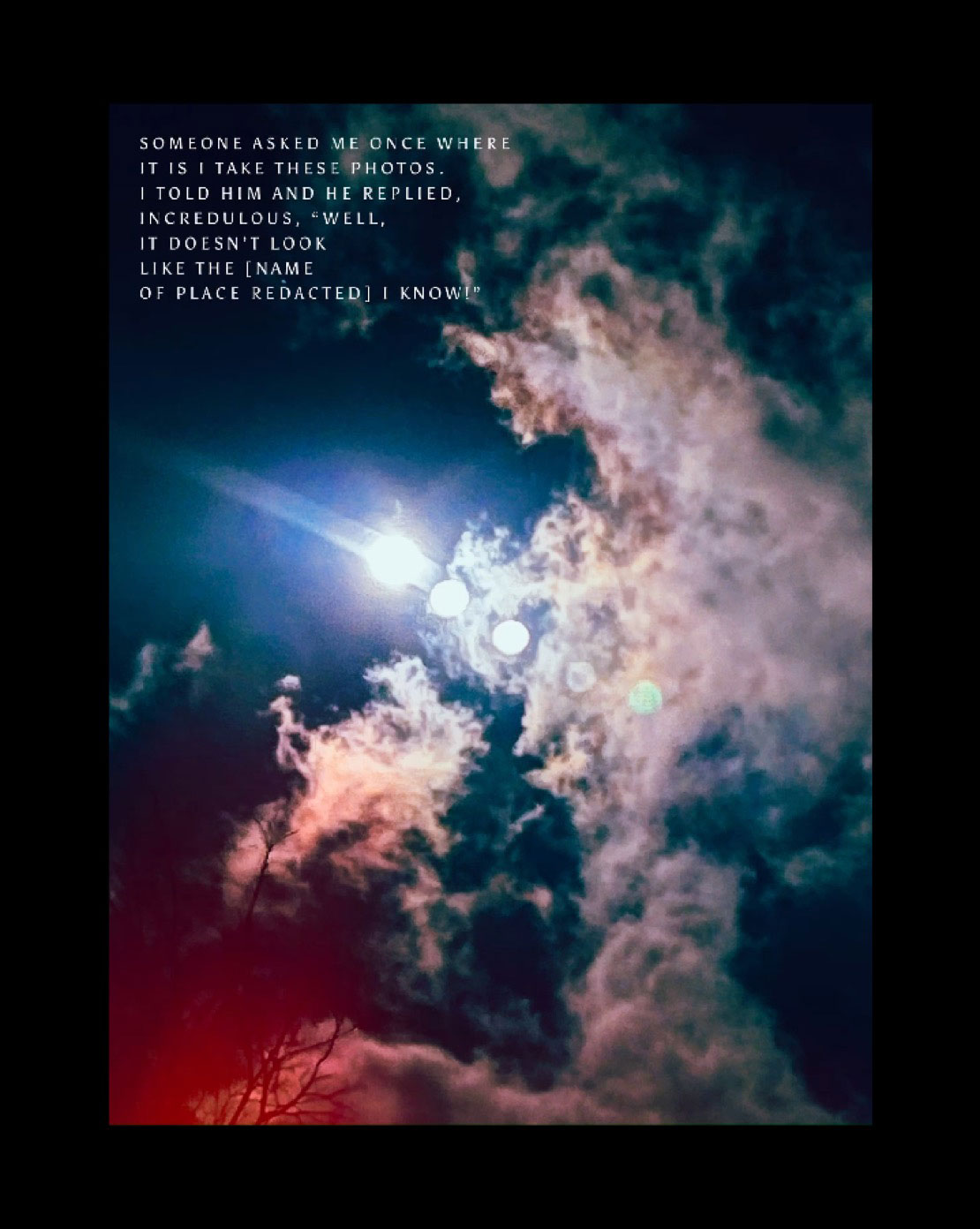
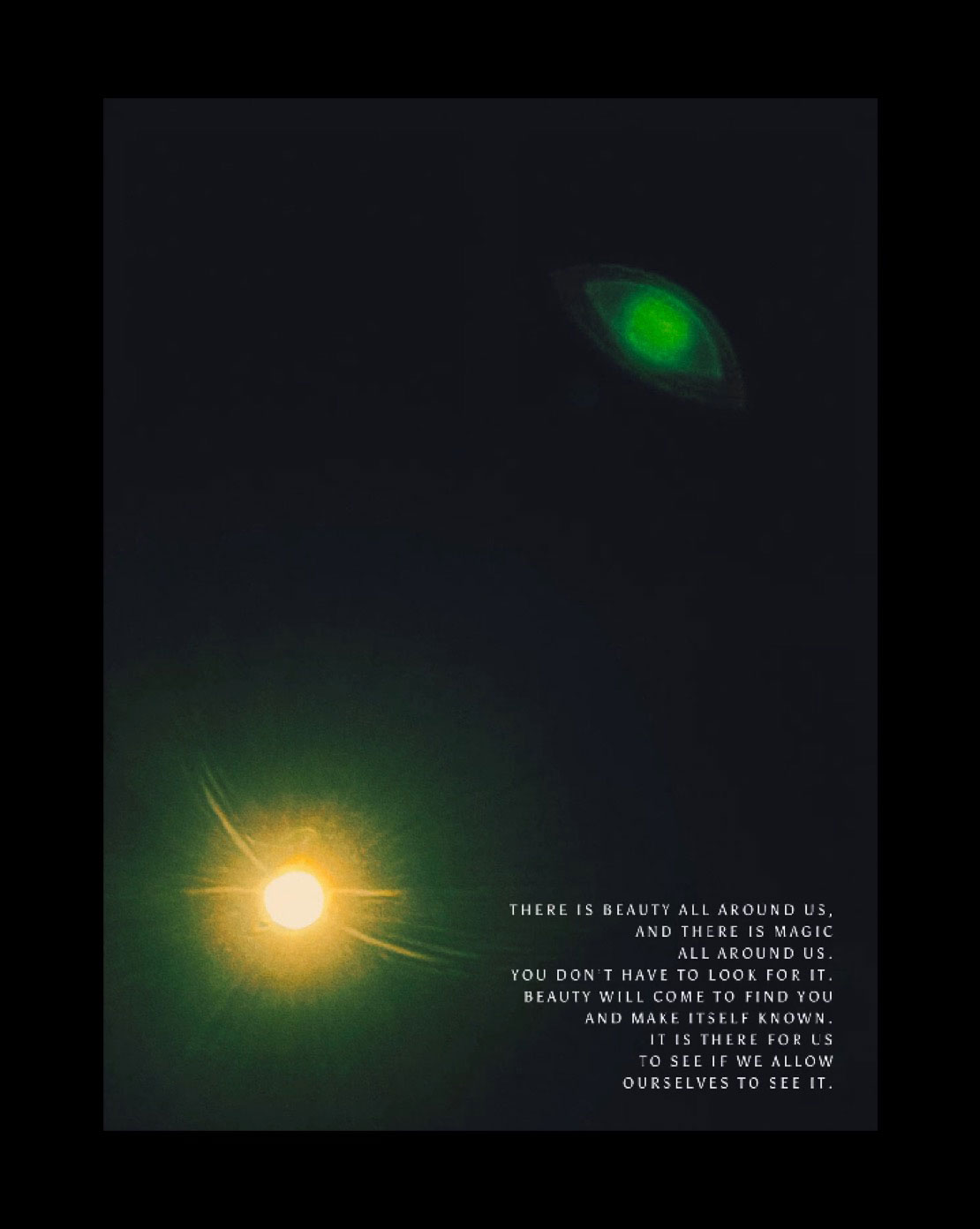
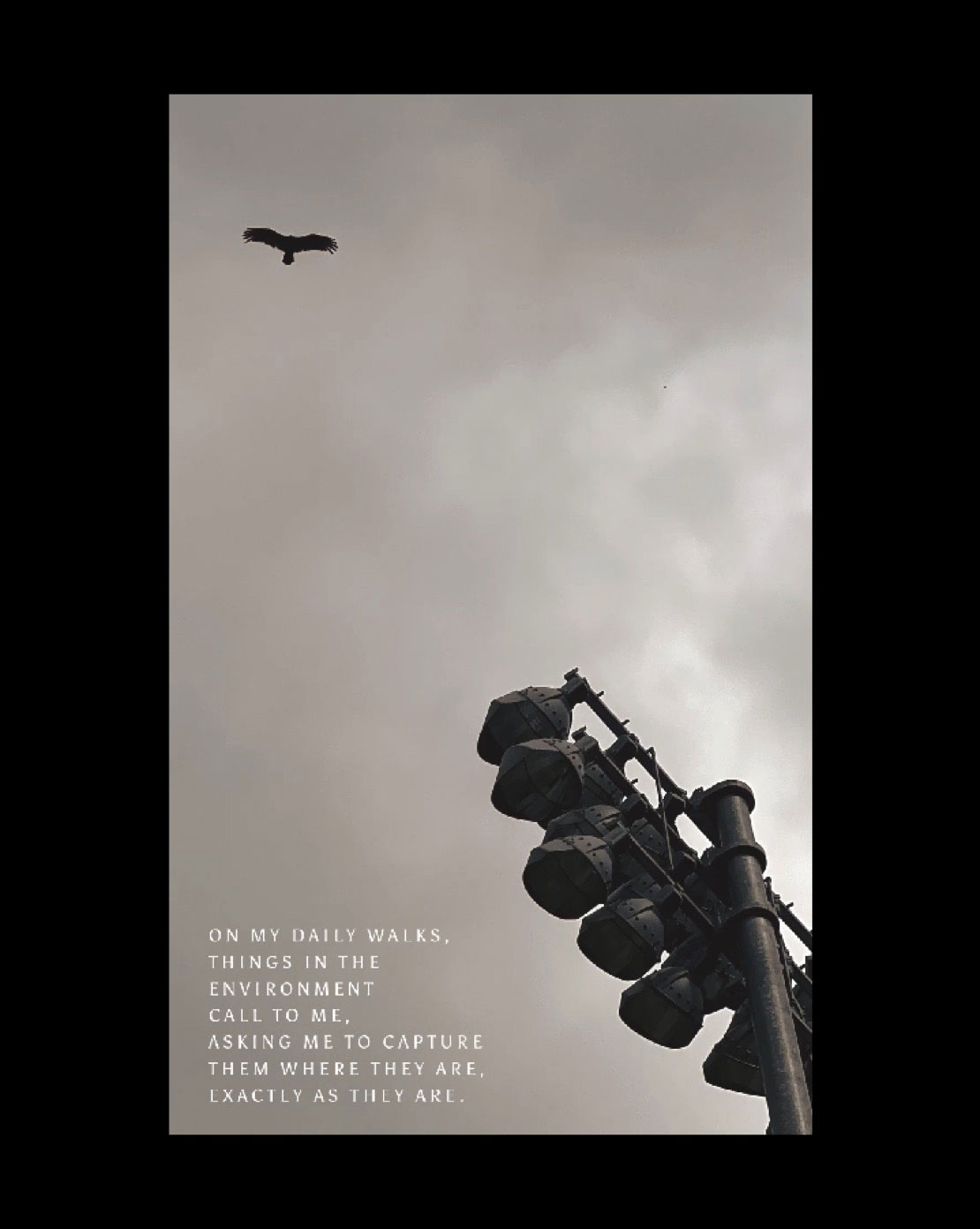
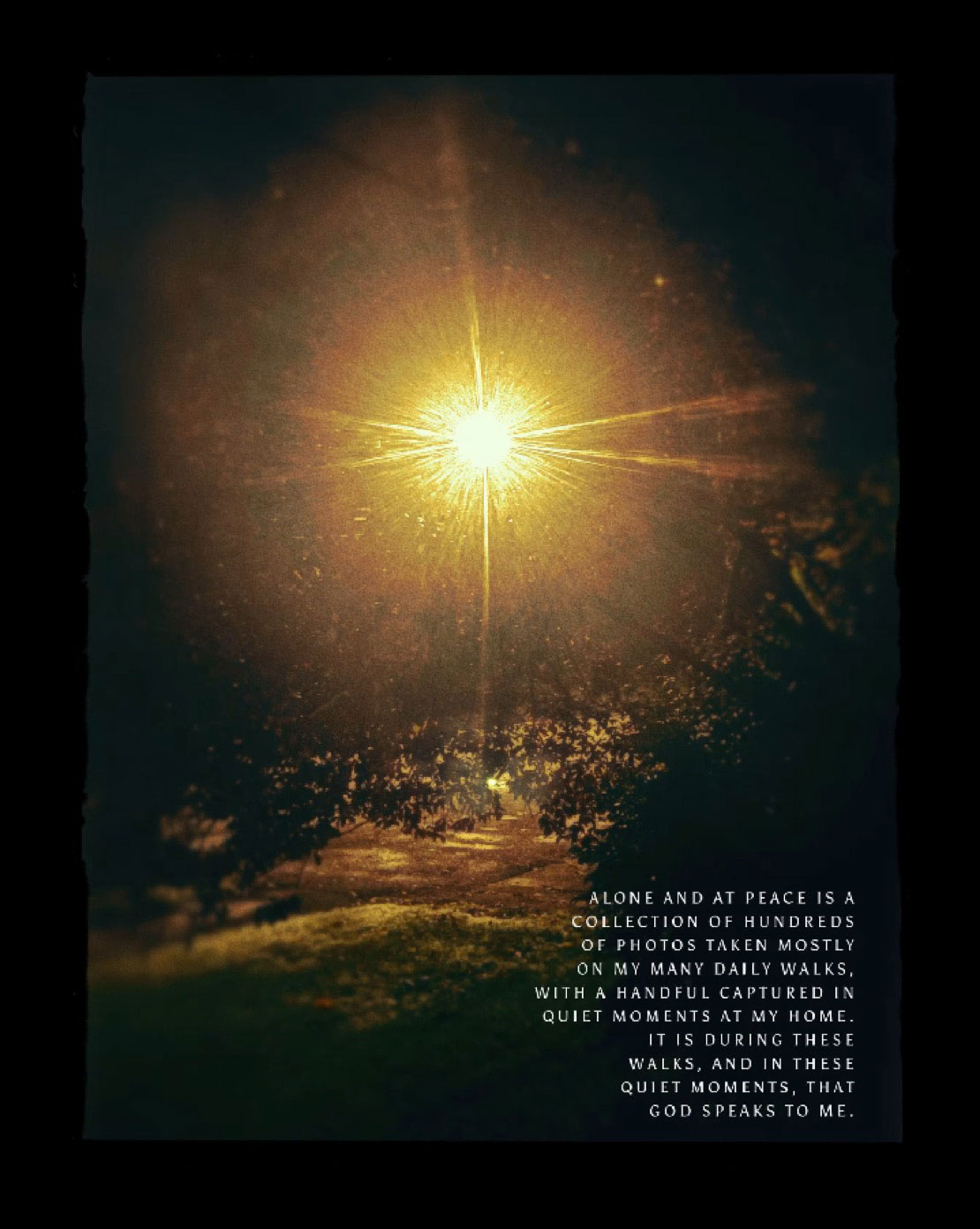
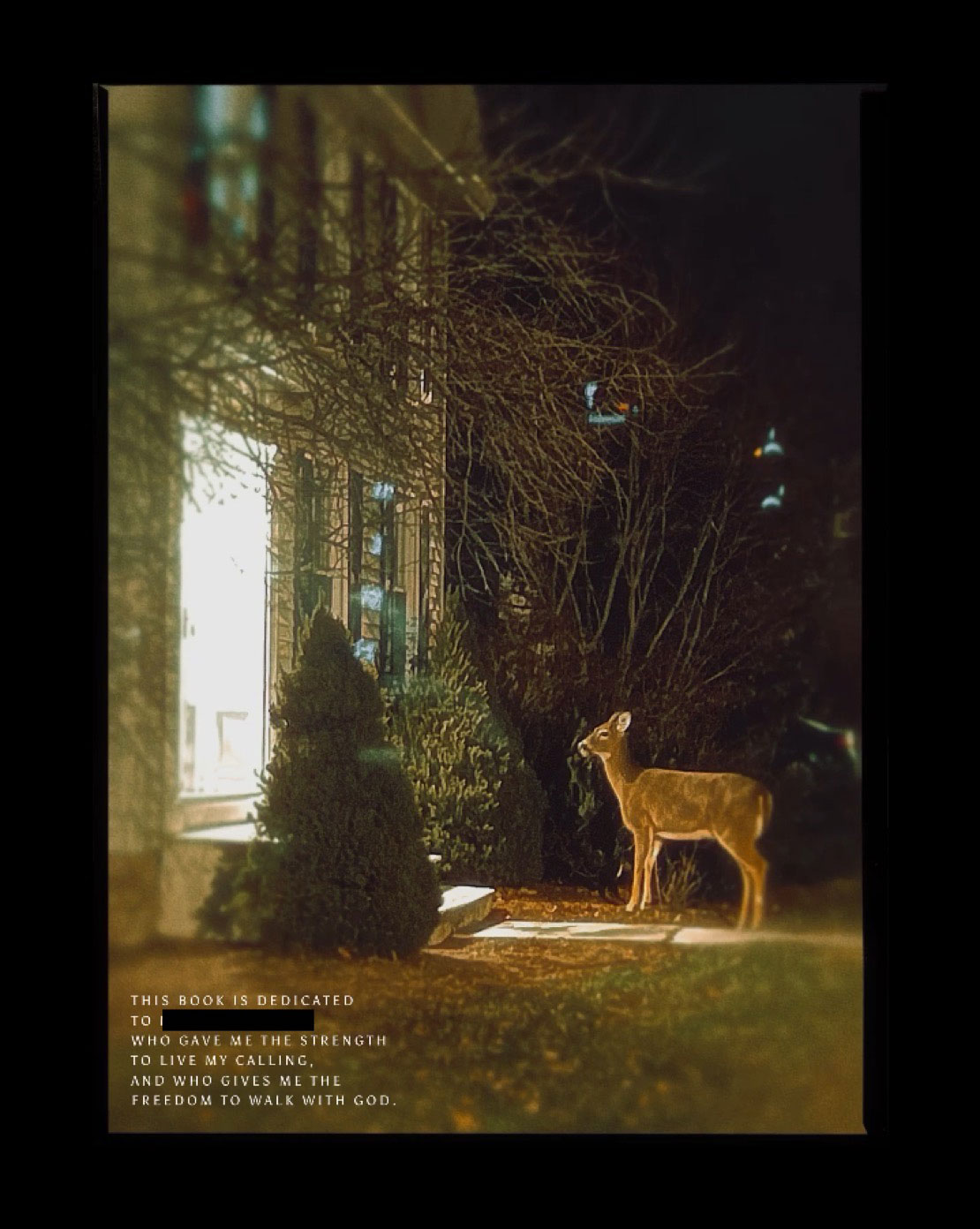
All of the work in the room—across all disciplines—was received as “downloads” (spiritual instruction) and is not the result of creativity or the creative process. Rendering this work is my spiritual vocation, which is how it is produced with unusual speed and coherence in spite of profoundly limited resources and lack of institutional support. Against these works, the exhibition centered received, autobiographical stories and nearly one thousand self-portraits, connected in the space by a single, unbroken red thread (of fate), documenting a life (un)lived under unimaginable circumstances. Online, removed from their context, the same images were dismissed as “sexy selfies”, “pretty landscapes”, or displays of narcissism, flattening grief, devotion, and witness into spectacle. Go to Hell, Buster was not designed for social media, nor was it a community gesture; it was a reckoning and a confirmation. Its failure clarified something essential: the danger is not in telling the truth—it is trusting the wrong audience with it.
—Margo Neely, December 2025



Engagement
The statistics speak for themselves: Audience engagement varied widely across the works. What viewers chose to engage with—and what they did not—offers a clear lens into reception and attention.
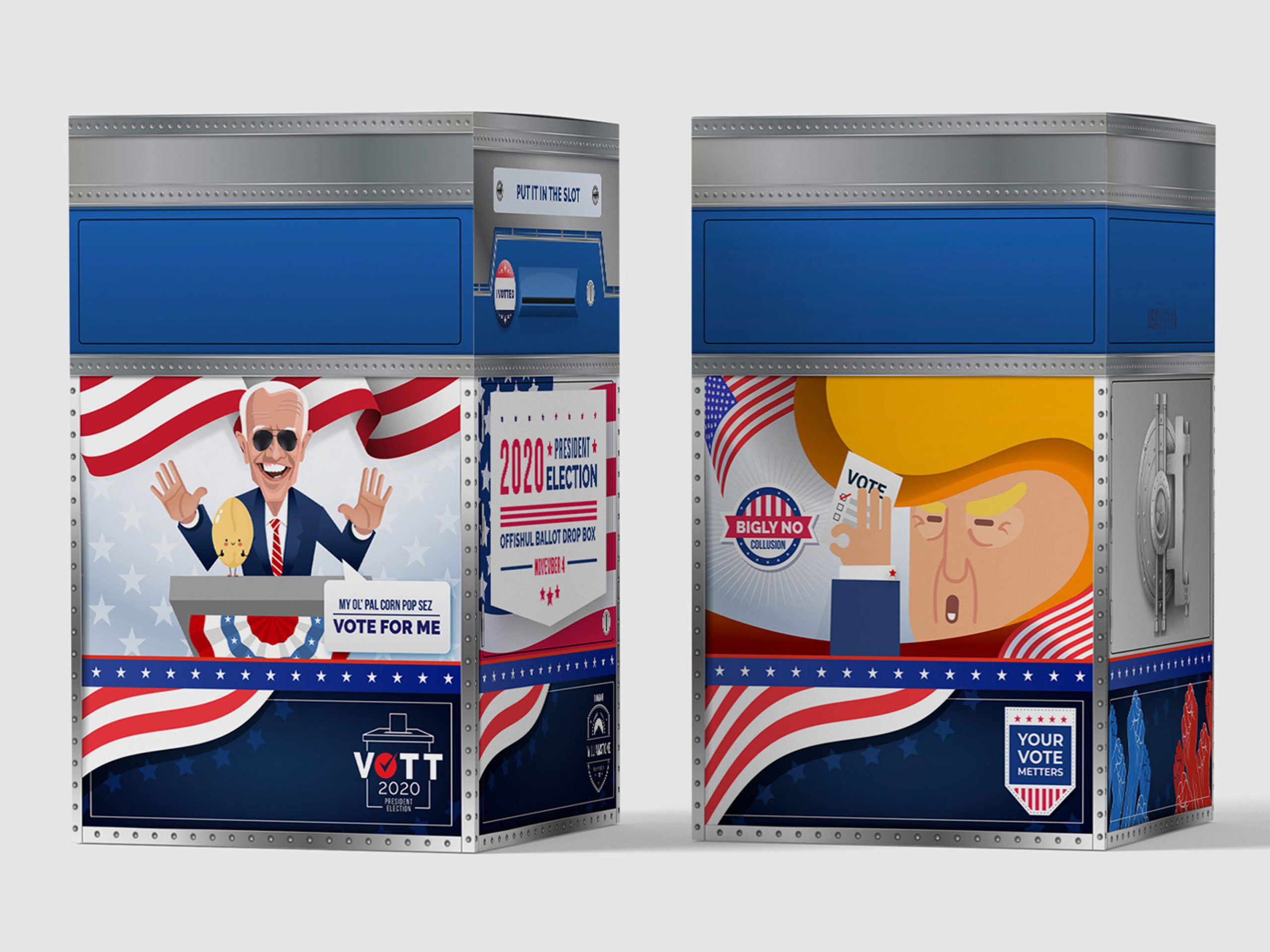
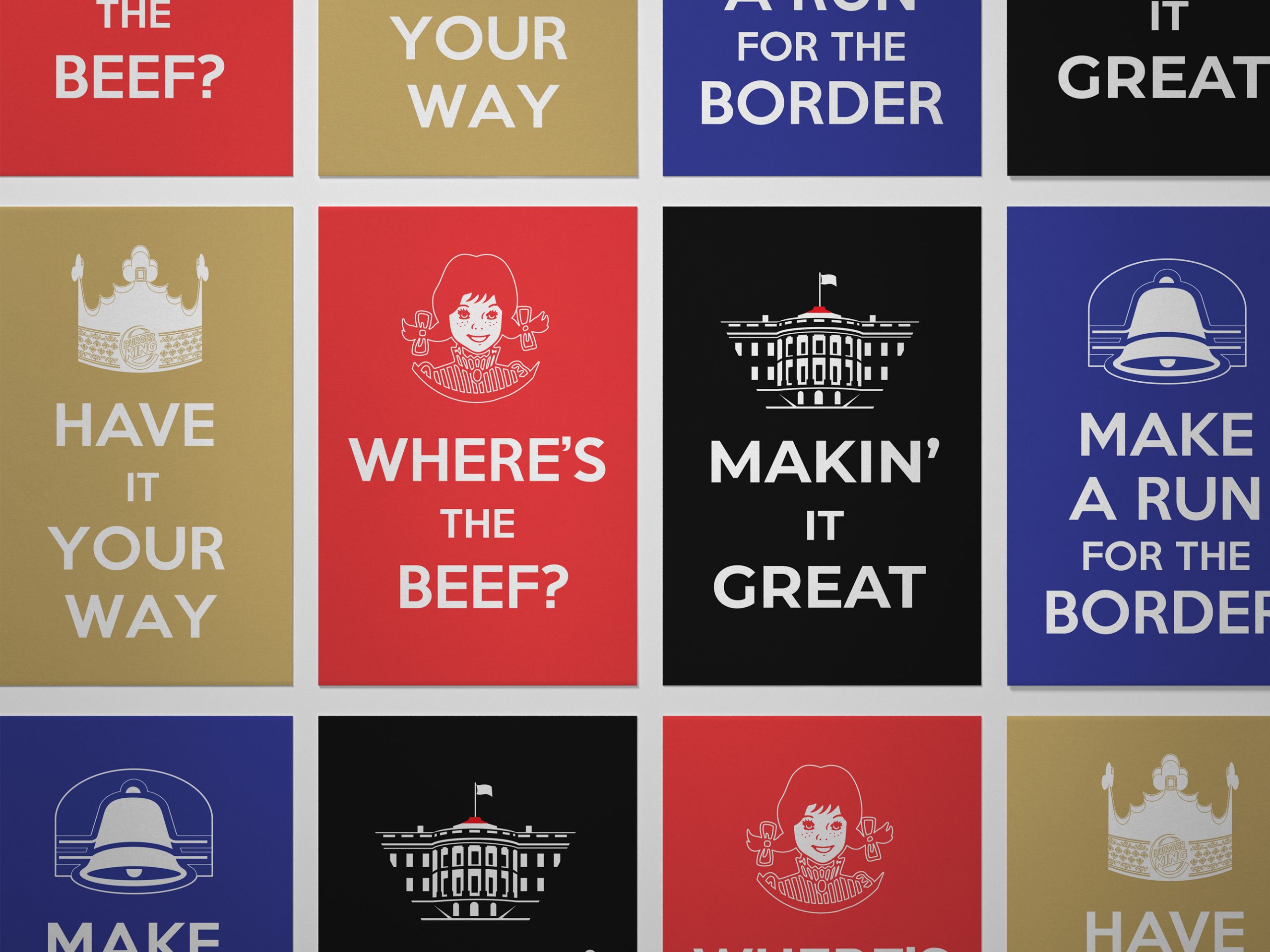
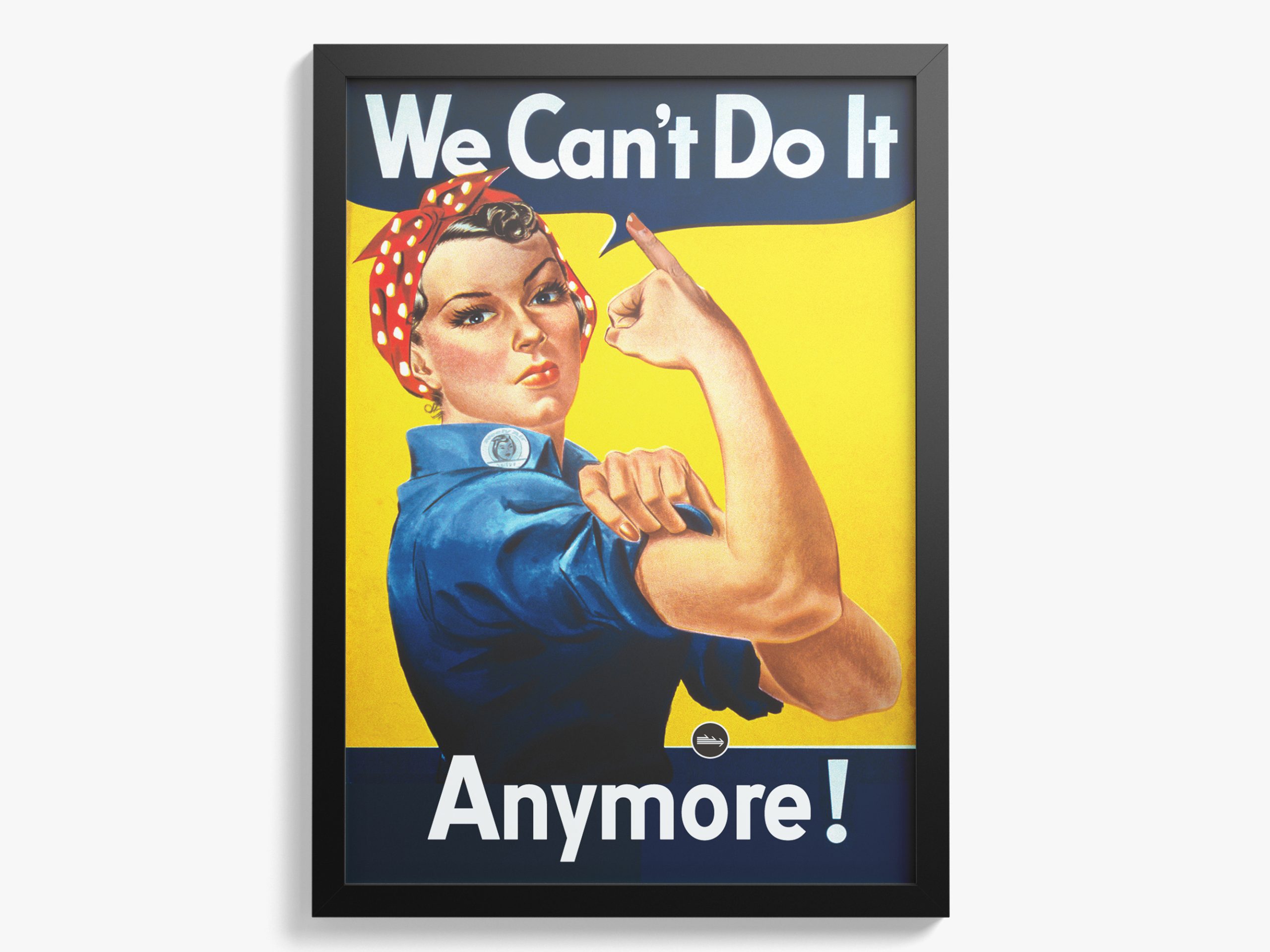
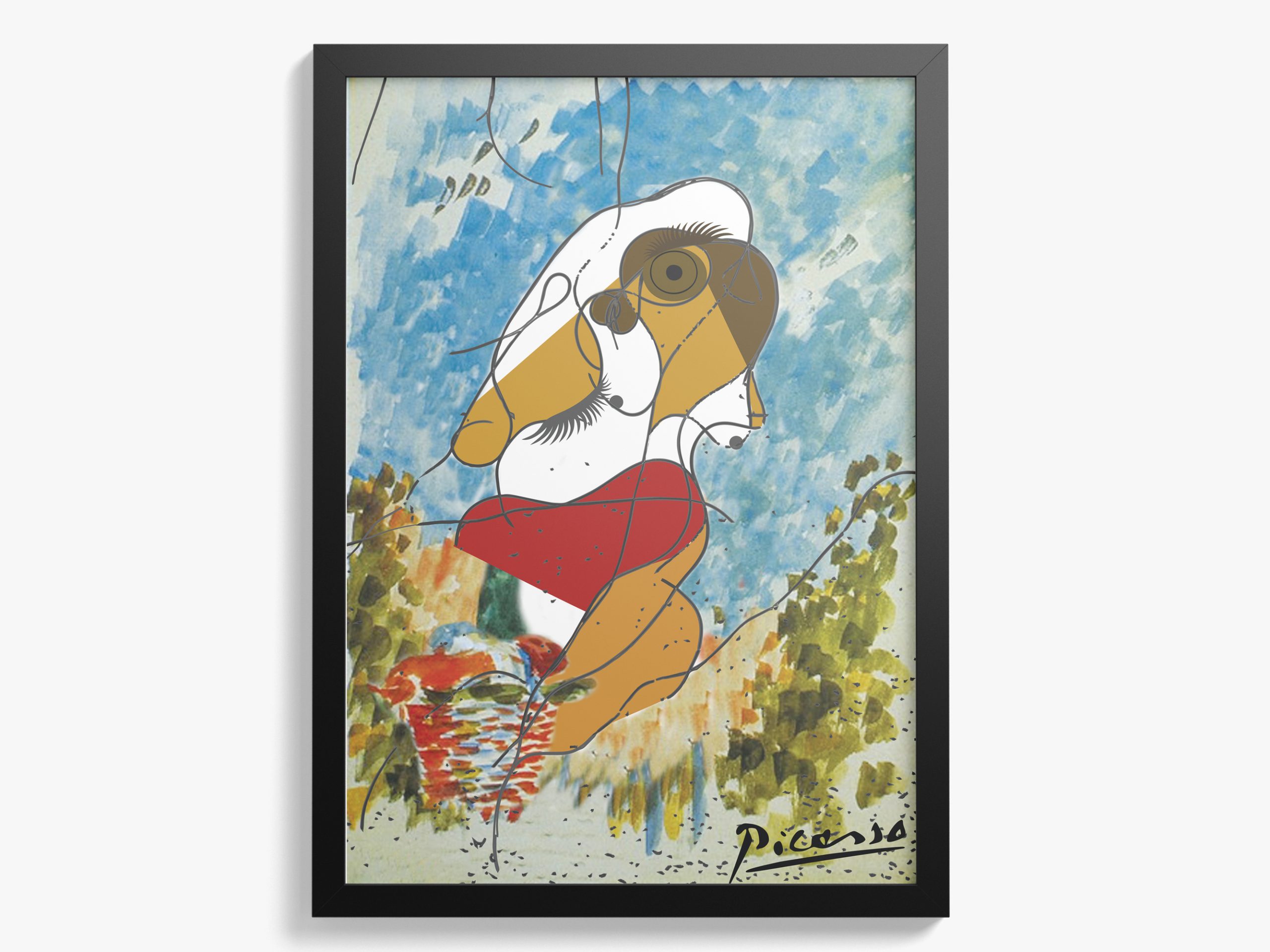
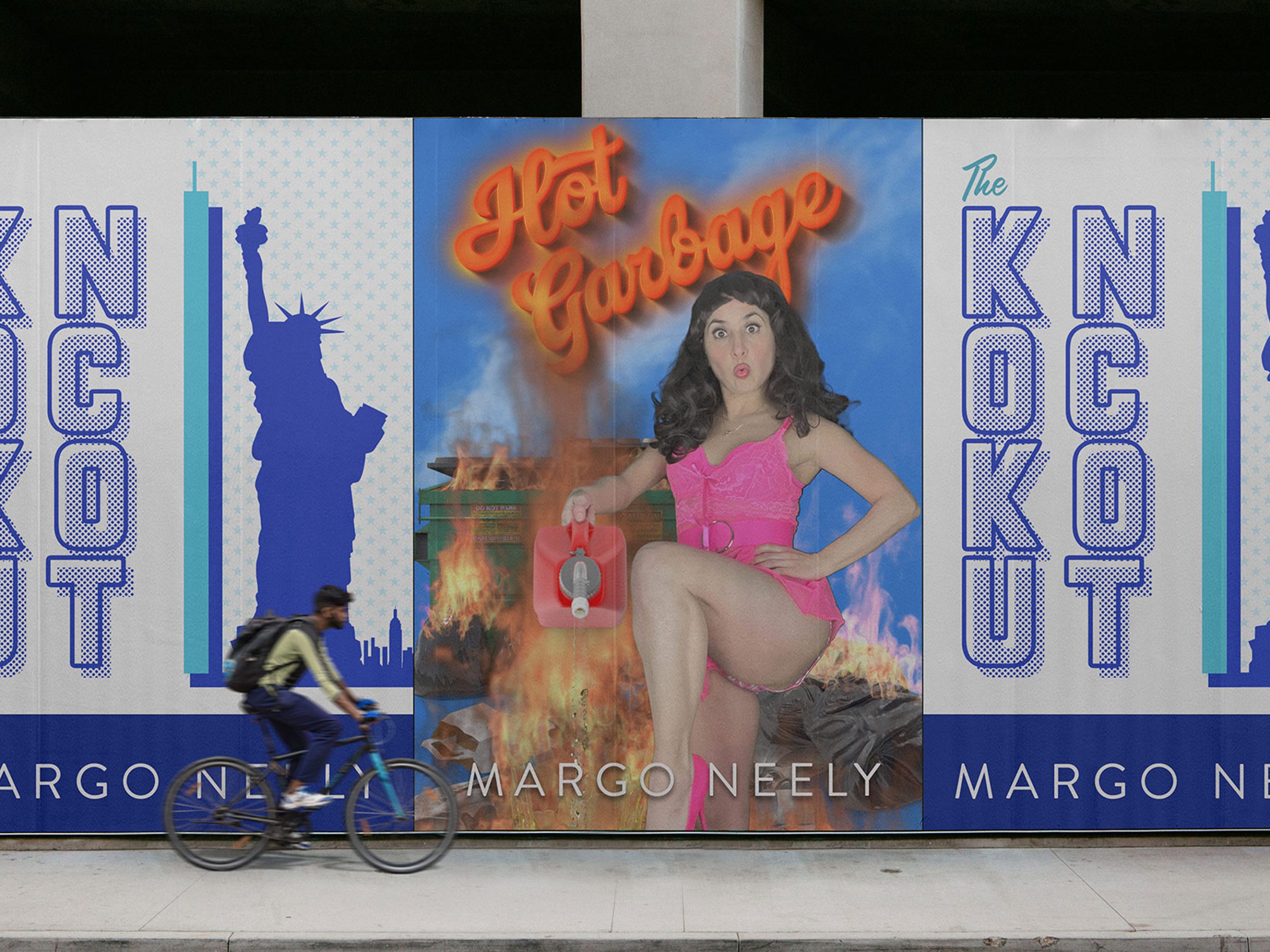
Among the prescient political artworks in the exhibition (created in 2010), Invisible Laborers Union, Rosie Unriveted, Election Box, and American Corpaganda Paste-up Set each generated 3.225% of total audience engagement and discussion.
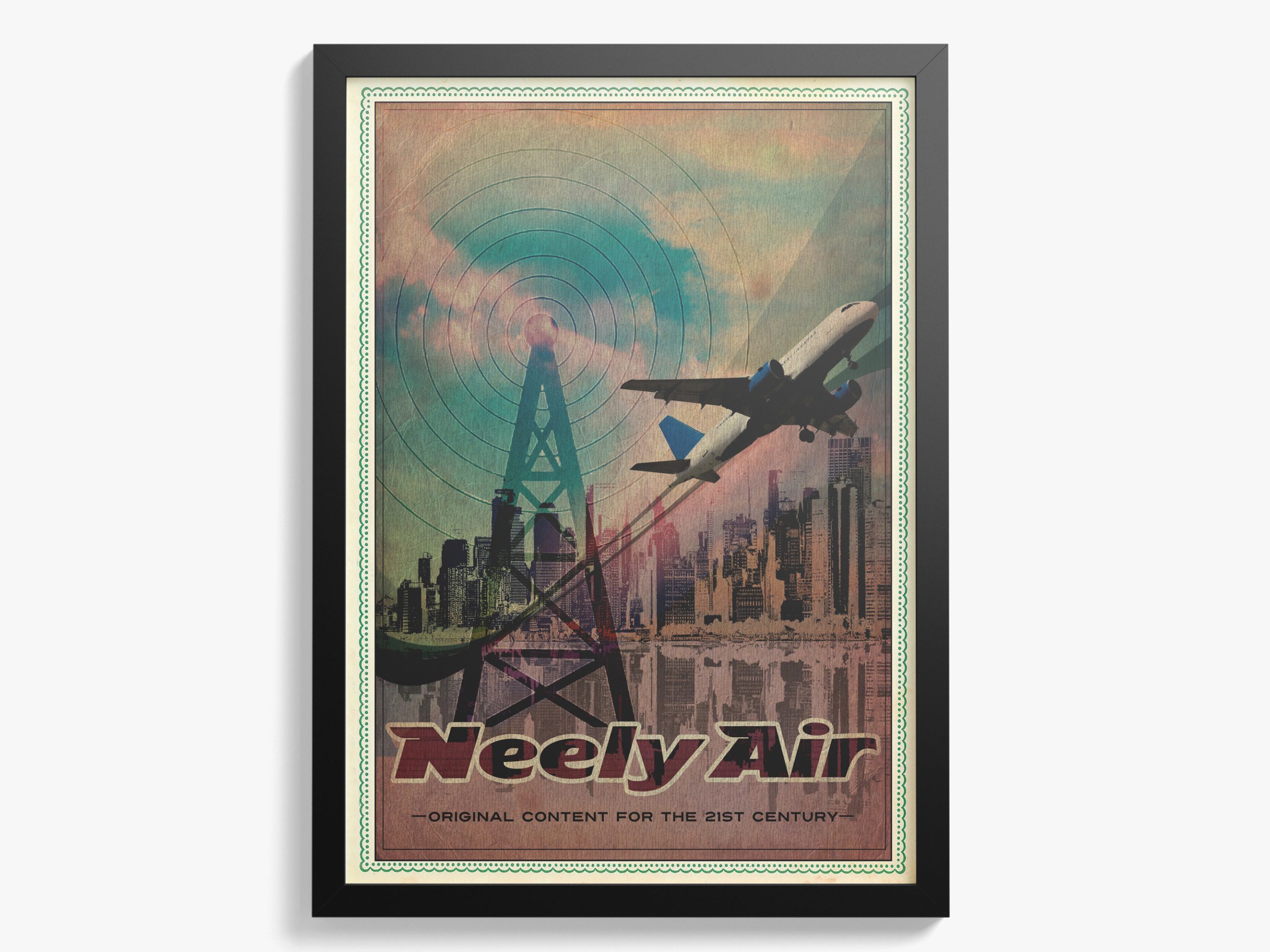
Neely Air and its related works registered 0% measured audience engagement or discussion during the exhibition, reflecting a complete absence of visitor interaction with these pieces.
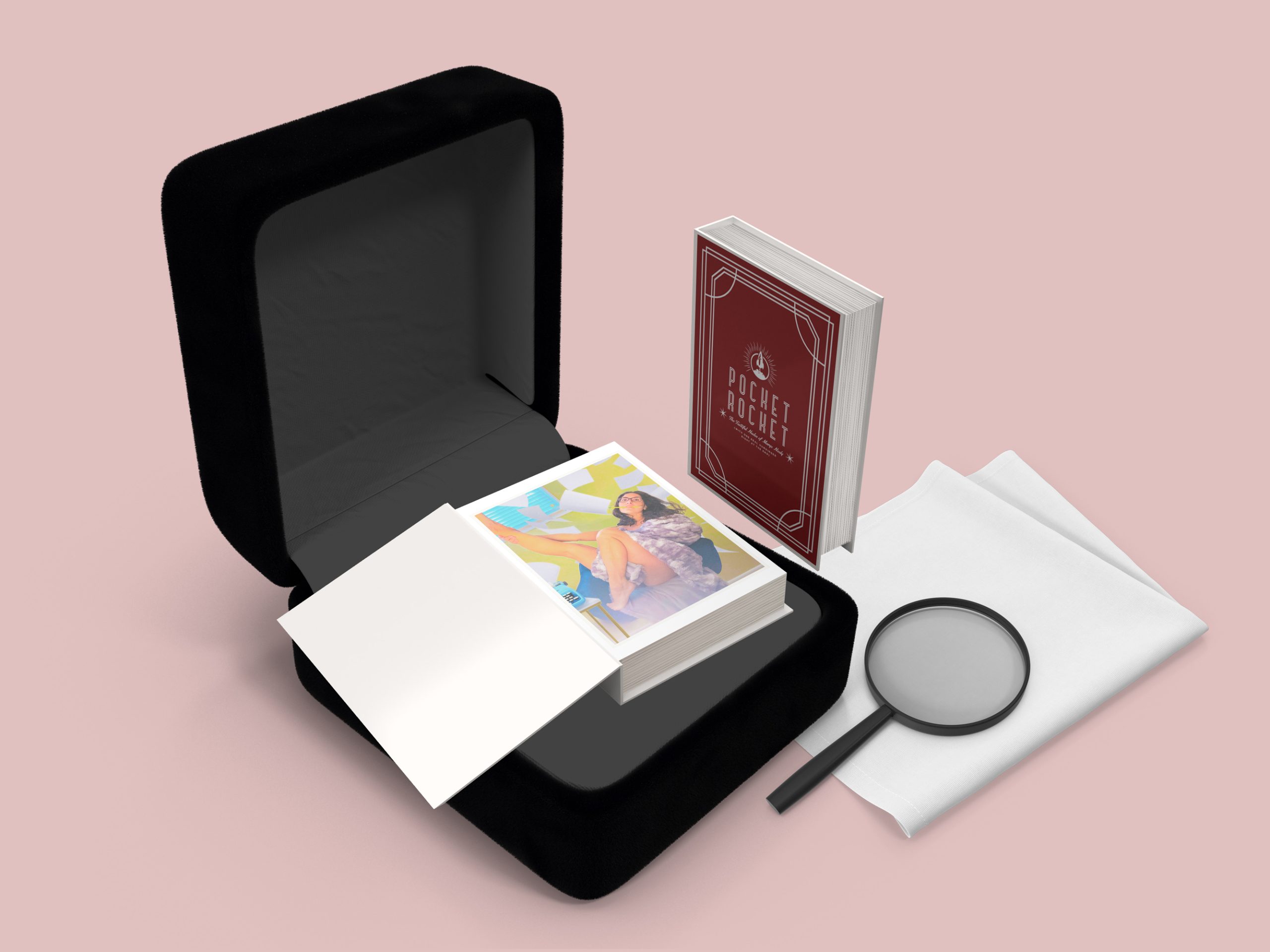
Pocket Rocket accounted for 9.67% of total audience engagement and discussion during the exhibition, making it one of the most actively interacted-with works in the show.
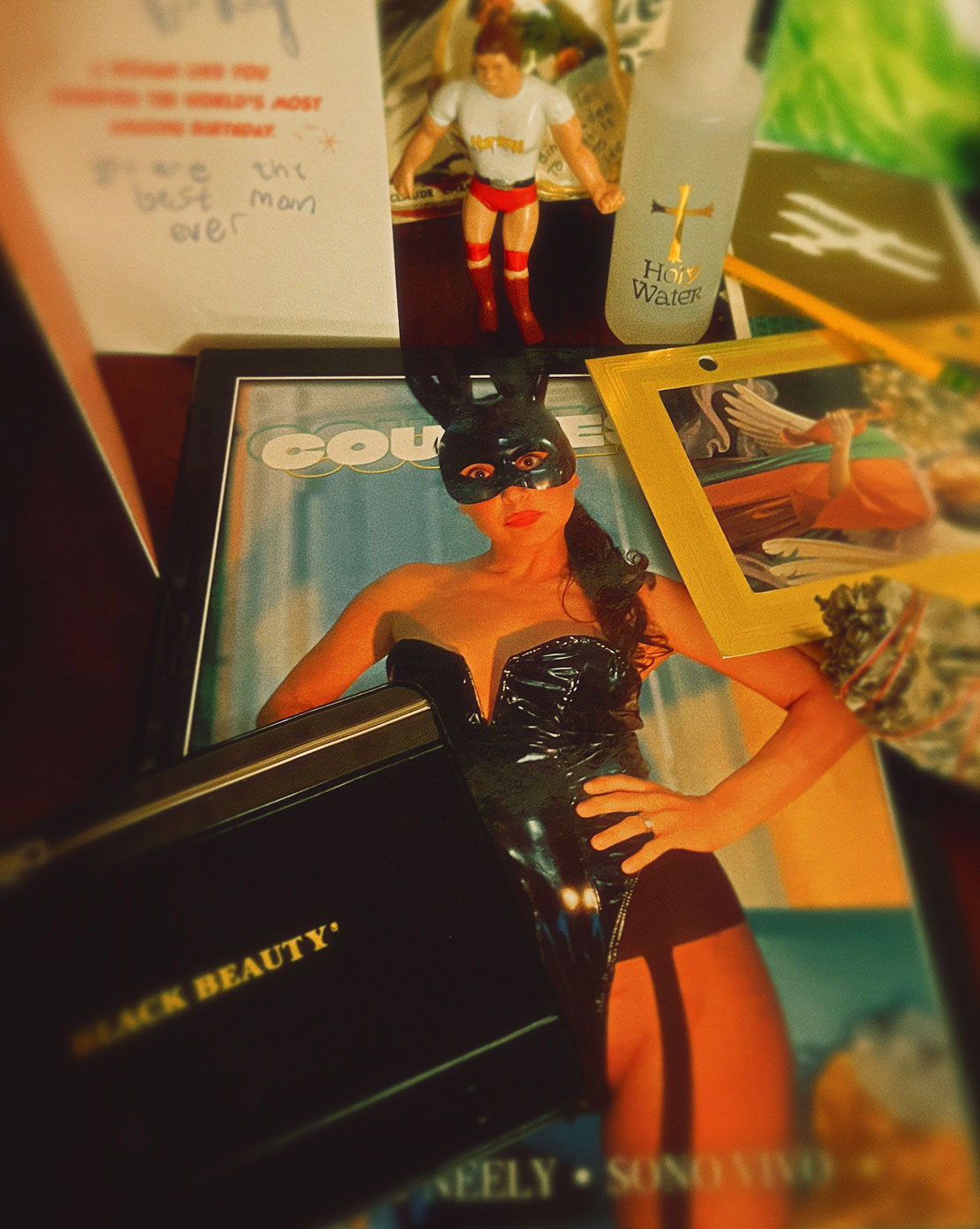
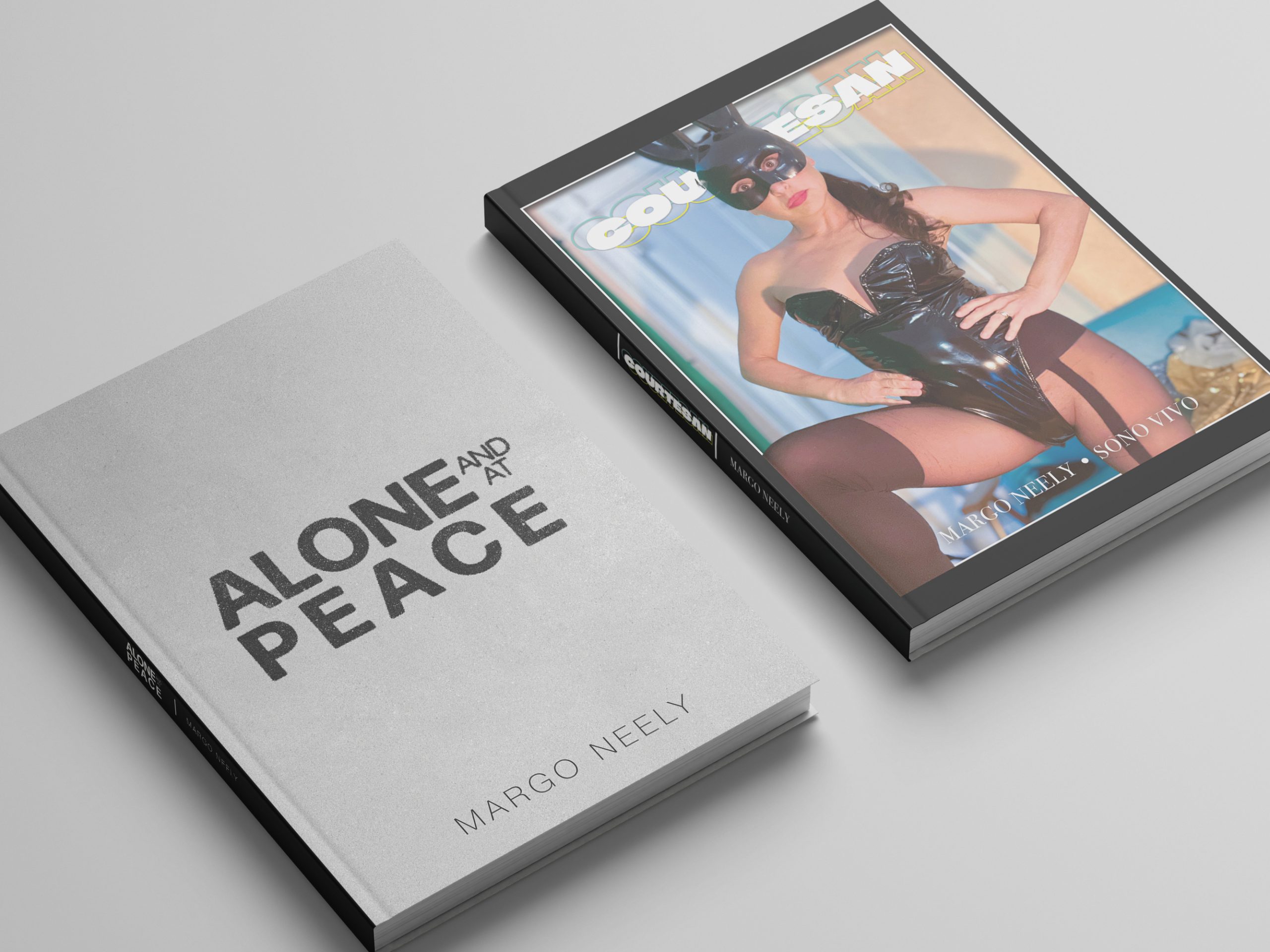
Courtesan received 0% recorded audience engagement or discussion during the exhibition, indicating no measurable visitor interaction with the book.
FIAT
Fiat mihi secundum verbum tuum
—Margo Neely | Works • 1995—2025